Preventive dental care in Salem starts with what you do at home each day. Brushing properly, cleaning between teeth, limiting frequent sugary snacks and attending suitable dental checkups can help reduce your risk of tooth decay and gum problems.
A healthy mouth needs more than fresh breath or white teeth. Small problems may develop before you notice pain, which makes a consistent routine and professional assessment useful.
At Smilescape Dental Care in Salem, patients can enquire about preventive checkups, teeth cleaning and family dental care at the Meyyanur branch. Smilescape
What is preventive dental care?
Preventive dental care combines everyday habits with professional assessment to help protect teeth and gums. It includes cleaning your mouth effectively, managing dietary risks and identifying problems early.
The main steps are straightforward:
- Brush twice daily with fluoride toothpaste.
- Clean between your teeth once daily.
- Limit sugary food and drink.
- Avoid tobacco.
- Visit your dentist at an interval suited to your needs.
These habits work together. Mouthwash, expensive brushes or occasional professional cleaning cannot replace a consistent daily routine. The American Dental Association recommends this combined approach to home oral care.
How should you brush your teeth every day?
Brush twice daily for two minutes
Use fluoride toothpaste and a soft toothbrush. Brush before bed and on one other occasion each day.
Clean the outside, inside and chewing surfaces of every tooth. Pay attention to the back teeth and the area where teeth meet the gums.
Use gentle movements rather than forceful scrubbing. The ADA brushing guide recommends holding the brush at about a 45 degree angle towards the gumline and using short strokes. Replace your brush every three to four months, or sooner if its bristles become frayed.
Spit out toothpaste without rinsing immediately
After brushing, spit out the excess toothpaste. Avoid immediately rinsing with water, which washes away the concentrated fluoride left on your teeth.
If your dentist recommends mouthwash, ask when to use it. It should not replace brushing or cleaning between teeth. NHS
Why is cleaning between teeth important?
A toothbrush does not clean every space between neighbouring teeth. Daily interdental cleaning helps remove plaque and trapped food from these areas.
Floss may suit tight spaces. Interdental brushes may be useful where there is enough room, including around certain dental restorations. Ask your dentist to demonstrate the right method and size.
Choose a time you can maintain consistently. Cleaning between teeth before your evening brushing can make the habit easier to remember, but thorough daily cleaning matters more than choosing a particular time. American Dental Association
Do not force an interdental brush through a tight space. If cleaning repeatedly causes pain, arrange an assessment rather than changing tools at random.
Which food habits help protect your teeth?
Reduce frequent sugar exposure
Think about how often you have sugar, as well as the amount. Sweetened tea throughout the day, repeated biscuit breaks and slowly sipping sugary drinks create frequent exposure.
Practical changes include:
- Gradually reduce sugar added to tea or coffee.
- Keep sweet foods to mealtimes where possible.
- Choose water instead of regularly sipping sweetened drinks.
- Avoid making sugary snacks part of your bedtime routine.
Official prevention guidance recommends reducing both the amount and frequency of sugar intake.
Build a routine that fits your day
For a student, this might mean carrying water and brushing before leaving for college. For someone working shifts, it could mean keeping a toothbrush kit ready for the main sleep period.
Choose changes you can repeat. A manageable routine is easier to maintain than a complicated plan that lasts only a few days.
Do you need a dental checkup without pain?
Yes. Dental checkups are useful even when your mouth feels comfortable.
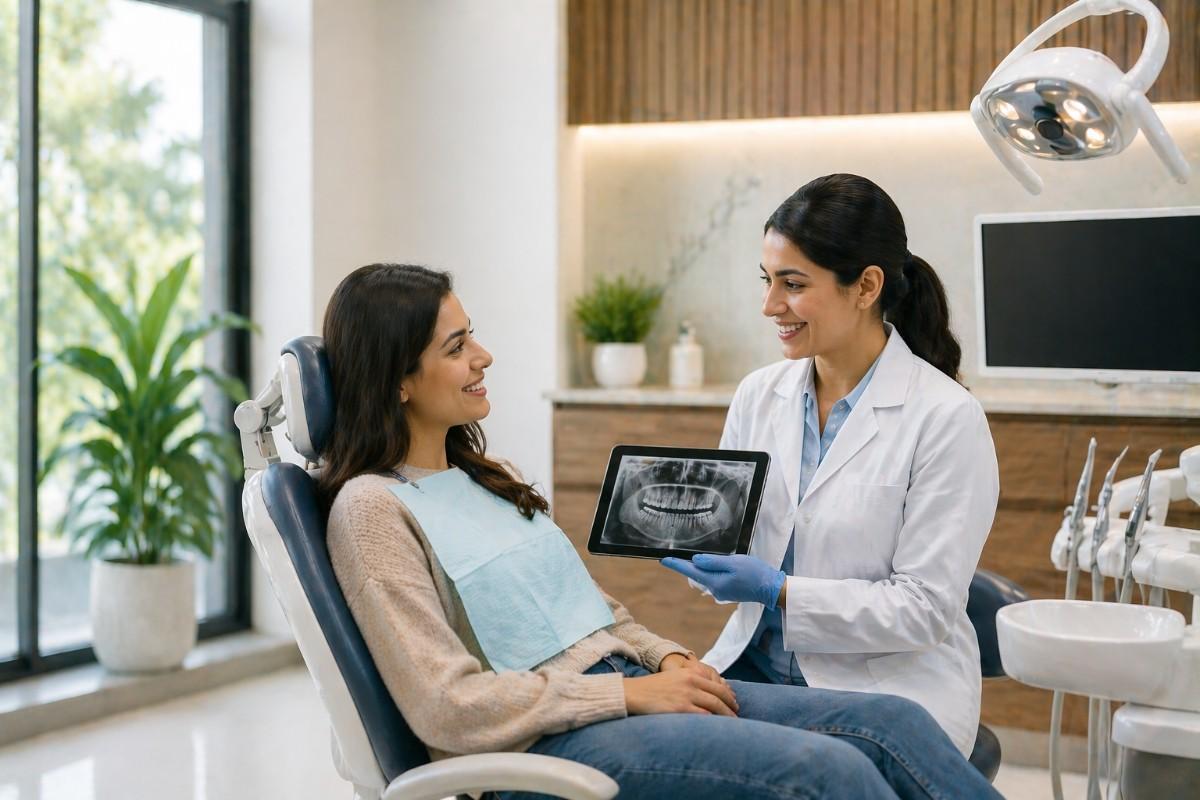
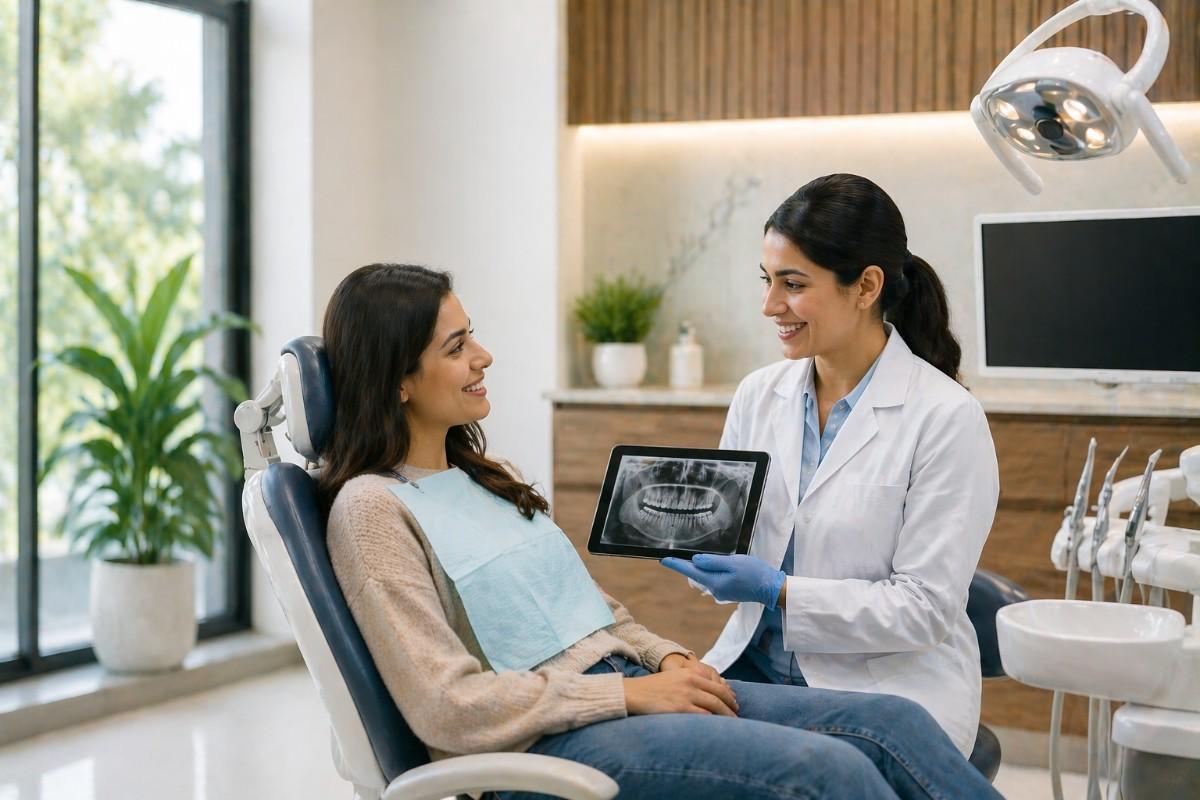
A dentist can examine your teeth, gums and other mouth tissues, discuss symptoms and review habits that may affect your oral health. The visit also gives you an opportunity to ask about cleaning difficult areas.
How often should you attend?
Your dentist should recommend the interval based on your oral health and risk of future problems. Six months may suit some people, while others need a different schedule.
A checkup interval is separate from appointments needed for treatment. If symptoms develop between visits, contact the clinic rather than waiting for your next routine appointment.
Preventive dental care in Salem for different needs
Children and families
Make brushing a shared household habit. Children need help or supervision until they can clean thoroughly; NHS guidance recommends supervision until at least age seven.
Ask the dentist about suitable toothpaste, the correct amount and cleaning between your child’s teeth. A calm demonstration is often more useful than simply reminding a child to brush longer.
Older adults and people with dental work
Tell your dentist if you find a toothbrush difficult to hold. A powered brush or adapted handle may make cleaning easier.
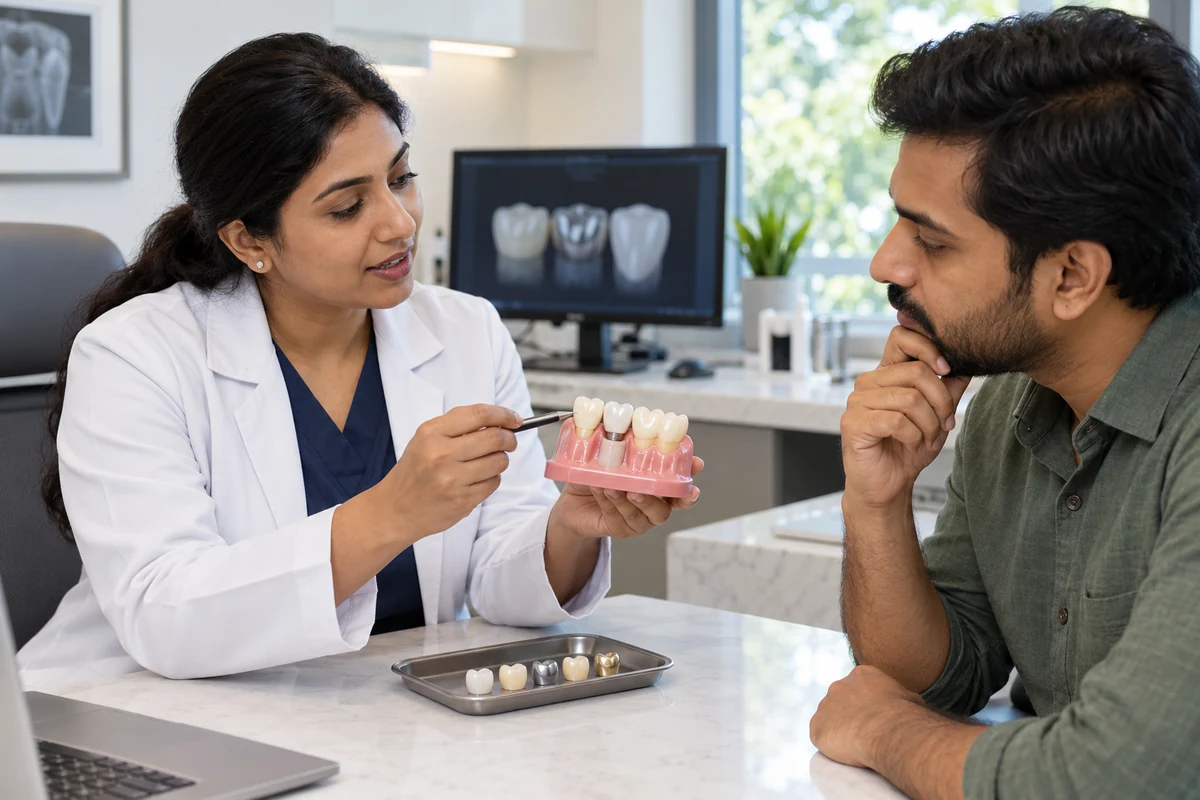
People with bridges, implants, braces or dentures may need specific cleaning tools. Ask for a demonstration using your own mouth rather than relying on a general product advertisement. The Indian Dental Association recommends choosing oral hygiene aids according to individual needs.
Which warning signs need attention?
Arrange a dental assessment for recurring bleeding gums, persistent bad breath, swelling or discomfort. Bleeding gums should not be dismissed simply because brushing does not hurt.
Seek urgent dental care for severe toothache or facial swelling. Swelling accompanied by difficulty breathing or swallowing needs immediate emergency medical care.
An ulcer lasting more than three weeks, an unexplained lump or a persistent red or white patch also needs examination. These changes can have several causes, so assessment is important.
Frequently asked questions
1. Can brushing alone prevent every dental problem?
Brushing is essential, but it is one part of preventive care. Cleaning between teeth, limiting sugar and attending appropriate checkups also matter. Your dentist can identify areas you are missing and recommend changes based on your teeth, gums, dental work and personal risk factors.
2. Is a hard toothbrush better for removing plaque?
A hard toothbrush is not necessary for effective cleaning. A soft brush used gently and thoroughly is generally recommended. If your teeth still feel unclean, ask your dentist to review your technique instead of pressing harder or buying a brush with firmer bristles.
3. Should I stop cleaning when my gums bleed?
Recurring bleeding needs assessment. Continue gentle brushing rather than avoiding the area completely, and ask your dentist how to clean between the affected teeth. Do not assume bleeding is harmless or try to solve it only by changing toothpaste. Persistent symptoms deserve professional attention.
4. Does everyone need professional cleaning every six months?
The need and timing depend on your gum condition, deposits and overall oral health. Your dentist should explain whether cleaning is recommended and why. A routine examination does not automatically mean every patient needs the same treatment or the same appointment schedule.
5. Can mouthwash replace floss or brushing?
No. Mouthwash does not replace the physical cleaning provided by brushing and interdental cleaning. Some rinses may be recommended for particular needs, but product choice and timing matter. Ask your dentist before making a medicated mouthwash a regular part of your routine.
6. What should I bring to a preventive appointment?
Bring a list of medicines, relevant medical information and any previous dental records you have. Note symptoms such as bleeding, sensitivity or food trapping. You can also bring your toothbrush or photographs of the products you use to make the discussion more practical.
Build better habits with Smilescape Dental Care
Preventive dental care in Salem works best when your home routine matches your individual needs. Start with consistent brushing, daily interdental cleaning and fewer sugary snack breaks.
For an assessment, contact Smilescape Dental Care and select the Salem branch.
Address: 564/326, 2nd Cross, State Bank Colony, Meyyanur, Salem, Tamil Nadu 636004.
Phone: +91 96294 42483. smilescape.in
This article provides general education. Your dentist can recommend care based on an examination.