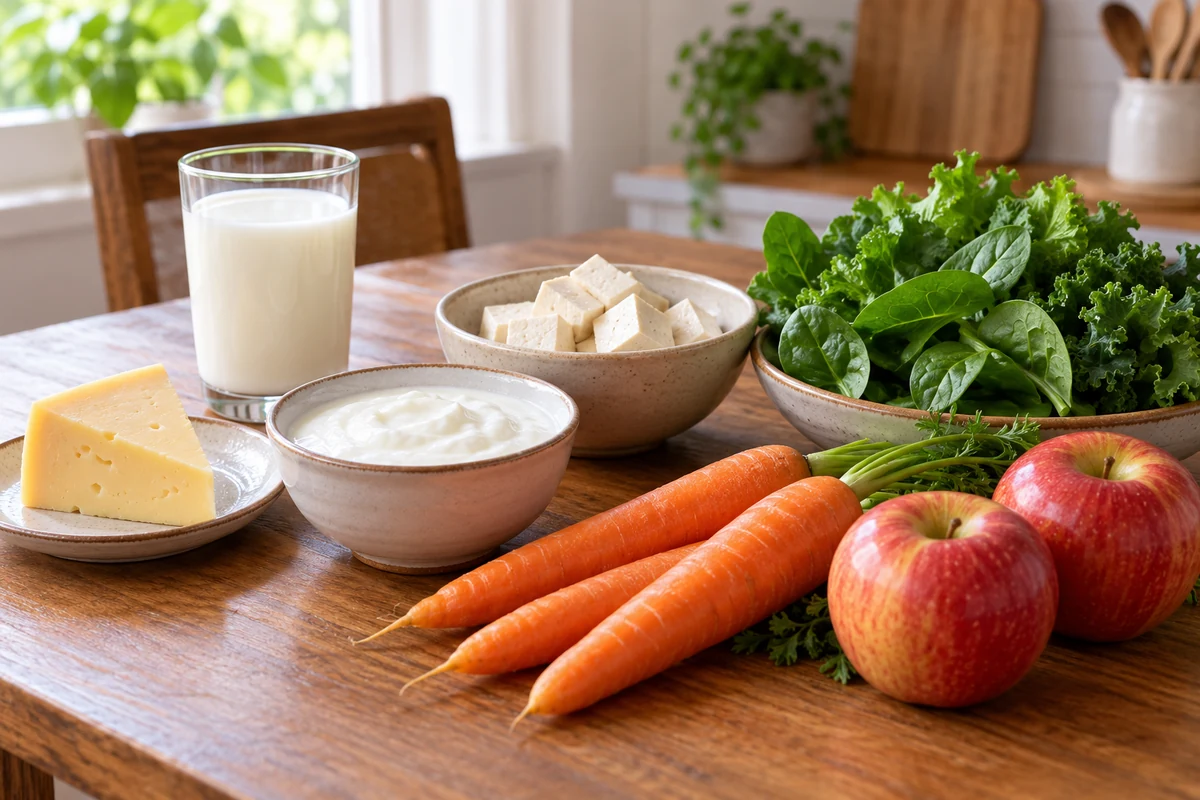
Choosing foods for healthy teeth does not require an expensive diet or a cupboard full of supplements. Everyday options such as plain curd, milk, vegetables and whole fruit can fit into a balanced eating routine.
However, no food guarantees protection from cavities. Diet works alongside fluoride toothpaste, cleaning between teeth and appropriate dental checkups.
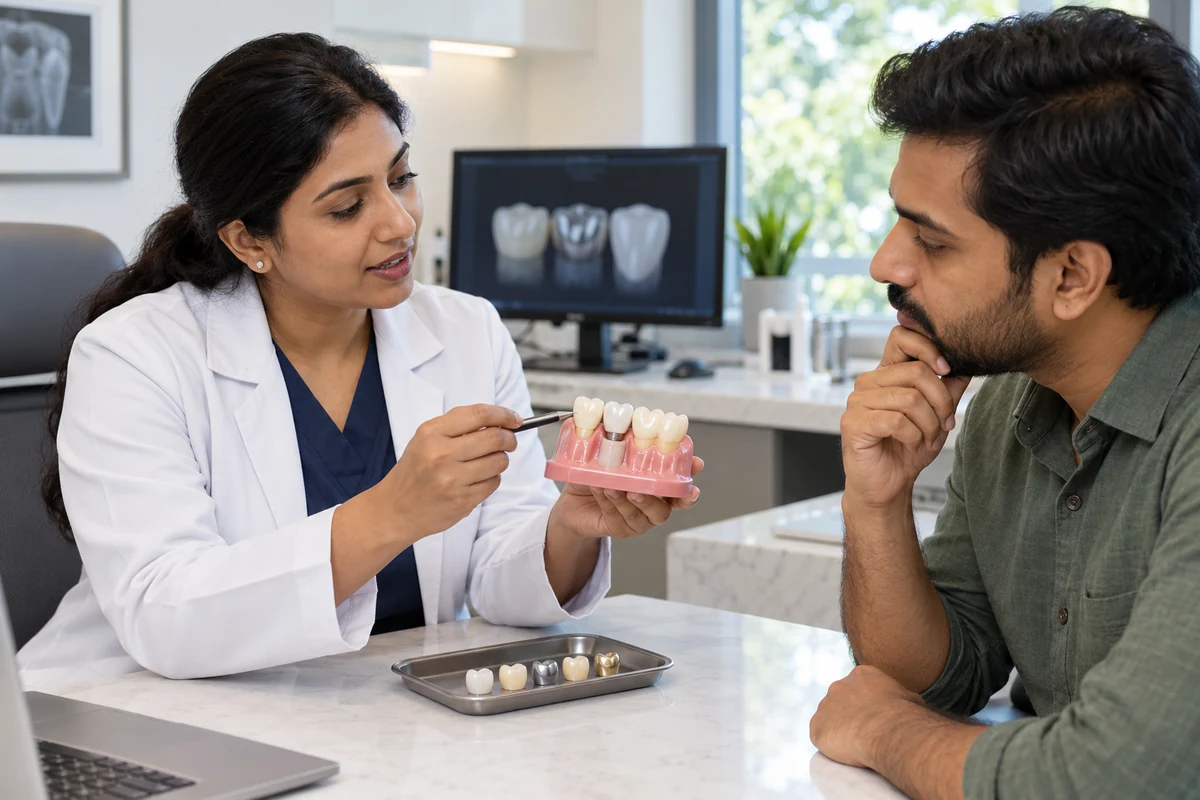
At Smilescape Dental Care in Tiruvannamalai, patients can enquire about preventive care and discuss eating habits that may affect their teeth. The branch lists routine examinations, cleaning and preventive treatments among its services. Smilescape
How does food affect your risk of cavities?
Plaque bacteria use sugars and starches to produce acids. Repeated acid exposure can cause teeth to lose minerals.
Saliva helps protect teeth by supplying minerals such as calcium and phosphate. Fluoride also supports the repair of early mineral loss. However, once decay creates a hole, eating particular foods cannot rebuild the missing tooth structure.
Your eating pattern matters too. Replacing frequent sweet snacks with balanced meals and suitable alternatives is more useful than adding one “healthy” food while continuing to sip sugary drinks all day.
Seven foods for healthy teeth to include in your diet
1. Cheese
Cheese provides calcium and can be a practical alternative to sweets or biscuits. Chewing also encourages saliva production, while some evidence suggests cheese can help counter the effects of acid exposure.
Choose a modest portion that fits your overall diet. Cheese does not cancel out sugary foods eaten alongside it or replace brushing.
Try small cheese cubes with lunch rather than making sweetened cheese spreads or heavily processed snacks an everyday choice.
2. Plain curd or unsweetened yoghurt
Plain curd is a familiar calcium containing food that can fit easily into an Indian meal. It is also a useful alternative to sweetened desserts.
The important word is “plain.” Flavoured yoghurt, sweet lassi and dessert cups may contain added sugar. Check packaged products rather than assuming every yoghurt is equally suitable.
For a simple meal addition, serve unsweetened curd with lunch or prepare a vegetable raita without adding sugar. Dairy foods such as yoghurt provide calcium and other nutrients that support healthy teeth and bones.
3. Plain milk
Milk is another source of calcium. Choose plain milk rather than routinely adding sugar, chocolate syrup or sweetened powders.
Naturally occurring milk sugar does not make milk the same as a sugary soft drink. However, timing still matters. Avoid repeatedly sipping it throughout the night or having it after bedtime brushing.
If dairy does not suit you, ask about an unsweetened plant drink with added calcium. Check the label because calcium content varies, and not every plant drink is fortified. mouthhealthy.org
4. Calcium set tofu
Tofu offers an alternative for people who avoid dairy. Some tofu is made using calcium salts and can contribute useful amounts of calcium.
Check the ingredients and nutrition label. The amount varies between products, so tofu should not automatically be treated as nutritionally identical to milk or curd.
Add it to a vegetable dish, salad or meal rather than coating it in a sticky sweet sauce. People with a soy allergy should avoid it and discuss other suitable options with their clinician or dietitian. mouthhealthy.org
5. Leafy green vegetables
Leafy vegetables add variety and nutrients to meals. Some greens contribute calcium, although the amount your body absorbs differs between varieties.
Include a range of vegetables rather than relying on one leaf as your only calcium source. Keerai dishes, vegetable sides and mixed meals can make this habit manageable.
These foods support balanced nutrition. They should not be described as directly repairing cavities or removing plaque. For personalised dietary restrictions, follow advice from your doctor or registered dietitian. hrsa.gov
6. Carrots
Carrots provide a crisp vegetable option that requires chewing. Chewing helps stimulate saliva, which supports the mouth’s natural protective functions.
For someone replacing a sugary snack, washed carrot pieces can be a useful choice. They are not a substitute for cleaning teeth and cannot reach the spaces that need floss or interdental brushes.
Choose a texture you can manage comfortably. Grated, softened or cooked carrots may be more suitable for young children or people with chewing difficulties.
7. Whole apples
A whole apple provides fibre and requires more chewing than apple juice. It can be a practical alternative to confectionery when you want something sweet.
However, apples contain sugar and acid. They do not “brush” your teeth or make additional cleaning unnecessary.
Choose whole fruit rather than frequently sipping juice. NHS guidance explains that sugars remain within the structure of whole fruit, while juicing releases them and increases their potential to damage teeth.
Which foods suit different needs?
| Your priority | Options to consider | What to check |
| Dietary calcium | Plain milk, curd, cheese, calcium set tofu | Added sugar, allergies and product labels |
| Crisp alternatives to sweets | Carrots and whole apples | Safe texture and comfortable chewing |
| More balanced meals | Leafy vegetables alongside varied foods | Overall dietary needs |
| Avoiding dairy | Calcium set tofu or suitable fortified alternatives | Calcium content and soy allergy |
This list offers choices rather than a compulsory daily menu. You do not need to eat all seven foods every day.
How can you make these choices work?
Plan meals and snacks
Keep plain curd available, wash vegetables in advance and carry water when travelling. A prepared option is easier to choose when you are hungry.
Limit repeated grazing, especially on sugary or sticky foods. Meals stimulate saliva, and reducing frequent snack exposures gives teeth a break between eating occasions. mouthhealthy.org
Watch the drinks
Sweetened tea, packaged fruit drinks and sugary coffee can turn an otherwise sensible food routine into frequent sugar exposure.
Whole fruit is preferable to treating juice as an unlimited healthy drink. Keep juice and dried fruit to mealtimes rather than using them repeatedly between meals.
Keep dental cleaning consistent
Brush twice daily with fluoride toothpaste and clean between teeth regularly. Food choices support these habits; they cannot replace them. Attend checkups at the interval your dentist recommends. NIDCR
Frequently asked questions
1. Can these foods prevent every cavity?
No. They can support a balanced diet and replace less suitable choices, but cavity risk depends on several factors. Sugar frequency, fluoride exposure, cleaning and saliva all matter. A dentist can assess your risk and recommend additional prevention when necessary.
2. Do crunchy foods clean teeth naturally?
Crunchy foods require chewing and can stimulate saliva. However, they do not remove plaque thoroughly or clean between neighbouring teeth. Avoid treating apples or carrots as natural toothbrushes. Continue brushing with fluoride toothpaste and using an appropriate method to clean between teeth every day.
3. Is sweetened yoghurt as suitable as plain curd?
Sweetened yoghurt may contain substantial added sugar. Check the label and compare products rather than relying on the word “yoghurt.” Plain curd or unsweetened yoghurt is a practical everyday option. Adding honey or sugar changes the choice, even if the original product was plain.
4. Can food heal an existing cavity?
Food cannot repair a hole caused by tooth decay. Early mineral loss may be managed with fluoride and changes to risk factors, but this requires assessment. If you notice sensitivity, food trapping or a visible hole, book a dental examination rather than relying on diet alone. NIDCR
5. What if I cannot comfortably chew raw vegetables?
Choose a suitable texture, such as cooked carrots or finely prepared vegetables. Do not force yourself to bite hard foods when a tooth hurts or a restoration feels loose. Ask your dentist about the problem and adapt food choices to your chewing ability.
6. Should I take calcium supplements for my teeth?
Do not start supplements solely because you are worried about cavities. Dietary requirements vary with age, health and existing intake. Ask your doctor or dietitian whether supplementation is needed. A supplement does not replace fluoride toothpaste, cleaning or treatment for an existing dental problem.
Get practical preventive care in Tiruvannamalai
Including foods for healthy teeth is a useful step towards a balanced routine. Start with manageable changes: choose plain curd, include vegetables and replace frequent sweet drinks with water.
For individual advice, contact Smilescape Dental Care and select the Tiruvannamalai branch.
Address: 5/15, Muthu Vinayagar Kovil Street, Mathalangulam, Tiruvannamalai, Tamil Nadu 606601.
Phone: +91 63692 44944. Smilescape
This article provides general education. Follow personalised advice for allergies, medical conditions or dietary restrictions.