Choosing a dental clinic in Anna Nagar involves more than looking at photographs of a comfortable waiting room. Patients also want to understand who will treat them, how instruments are prepared and whether the recommended treatment makes sense.
Much of that work happens before you sit in the dental chair. Preparation, communication and record keeping all contribute to the experience.
This guide explains what patients can ask about at Smilescape Dental Care in Anna Nagar and other practices. It describes recognised care principles rather than claiming an independent inspection of the clinic.
What helps patients trust a dental practice?
Trust grows when patients receive understandable answers and consistent care. Useful signs include a clearly identified treating dentist, an explanation of examination findings, discussion of treatment choices and a transparent estimate.
Patients should also feel comfortable asking about infection prevention, recovery and follow up arrangements.
A reassuring consultation gives you enough information to participate in decisions. You should understand what is recommended, why it is recommended and what the next step involves.
What should happen before treatment begins?
A review of your health and concerns
Tell the dentist about your symptoms, medicines, allergies, previous dental experiences and relevant medical conditions. Bring a medicine list if remembering names is difficult.
Explain what matters most to you. You may be worried about discomfort, several appointments, a visible tooth or the cost of treatment.
It helps to write down questions before your visit. This keeps the discussion focused, especially if you feel nervous.
An explanation of the findings
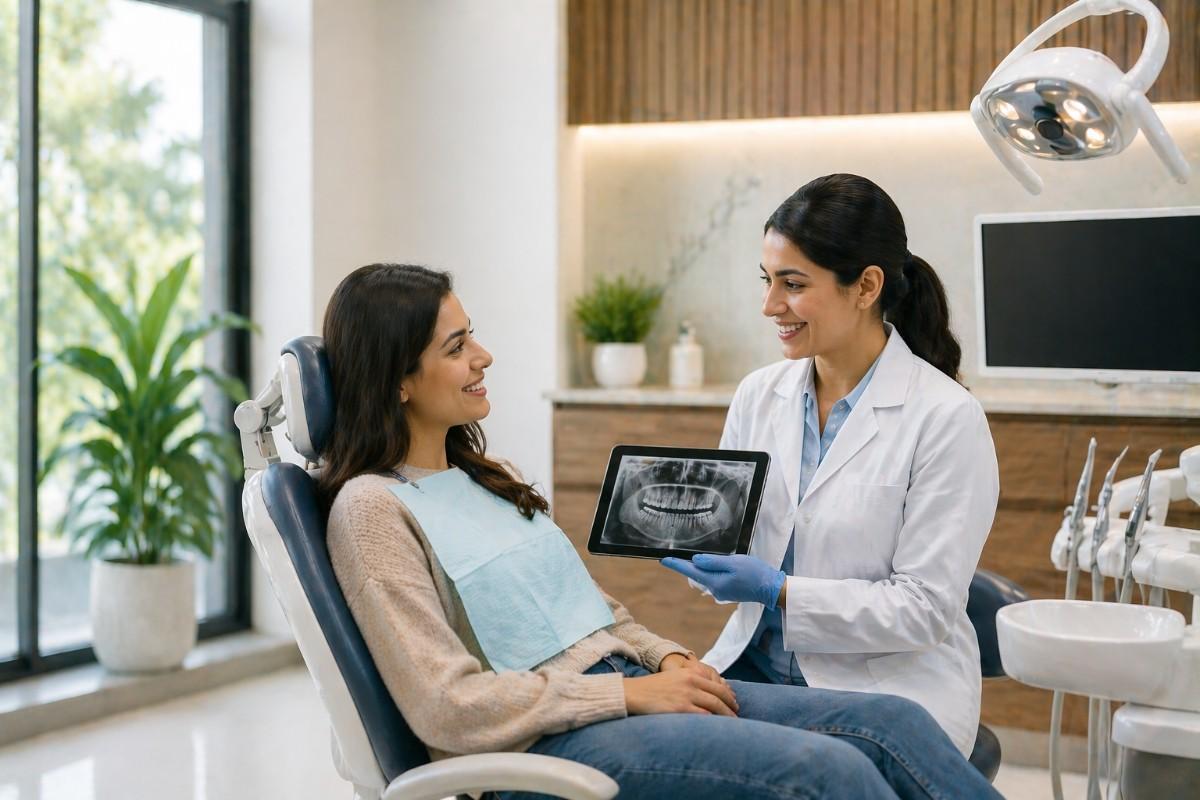
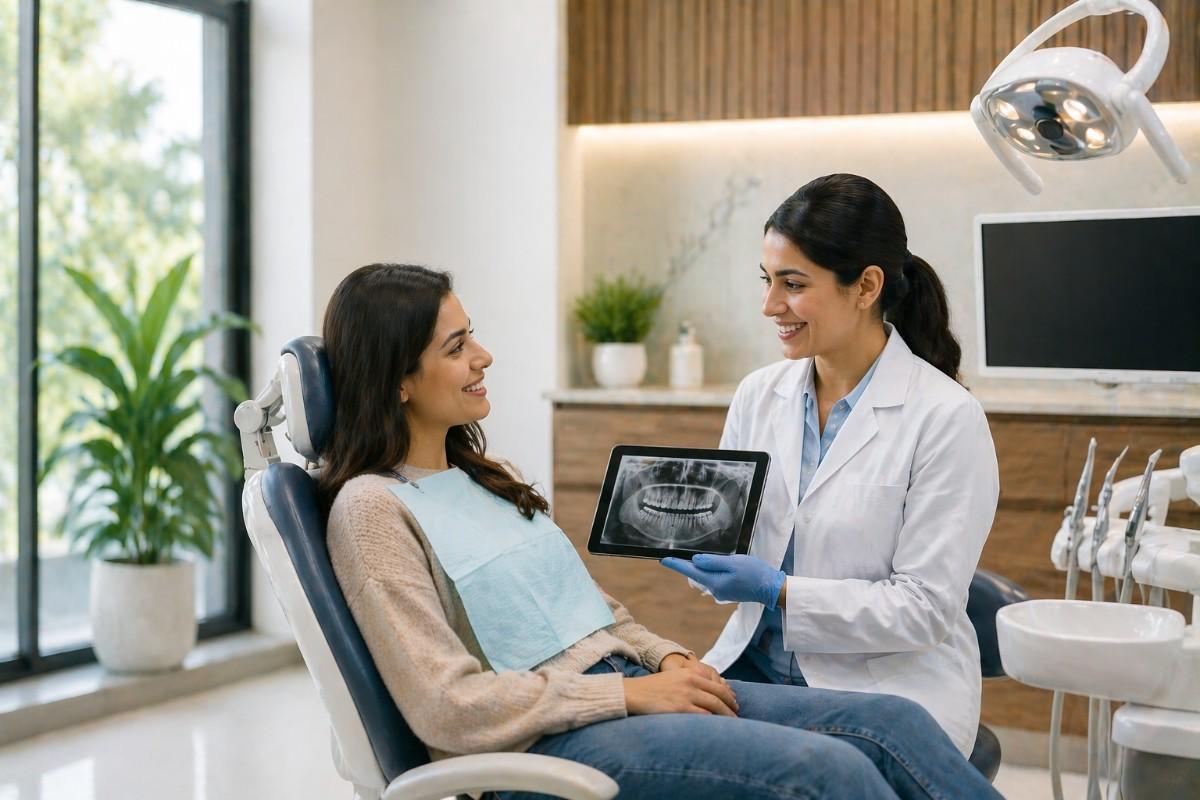
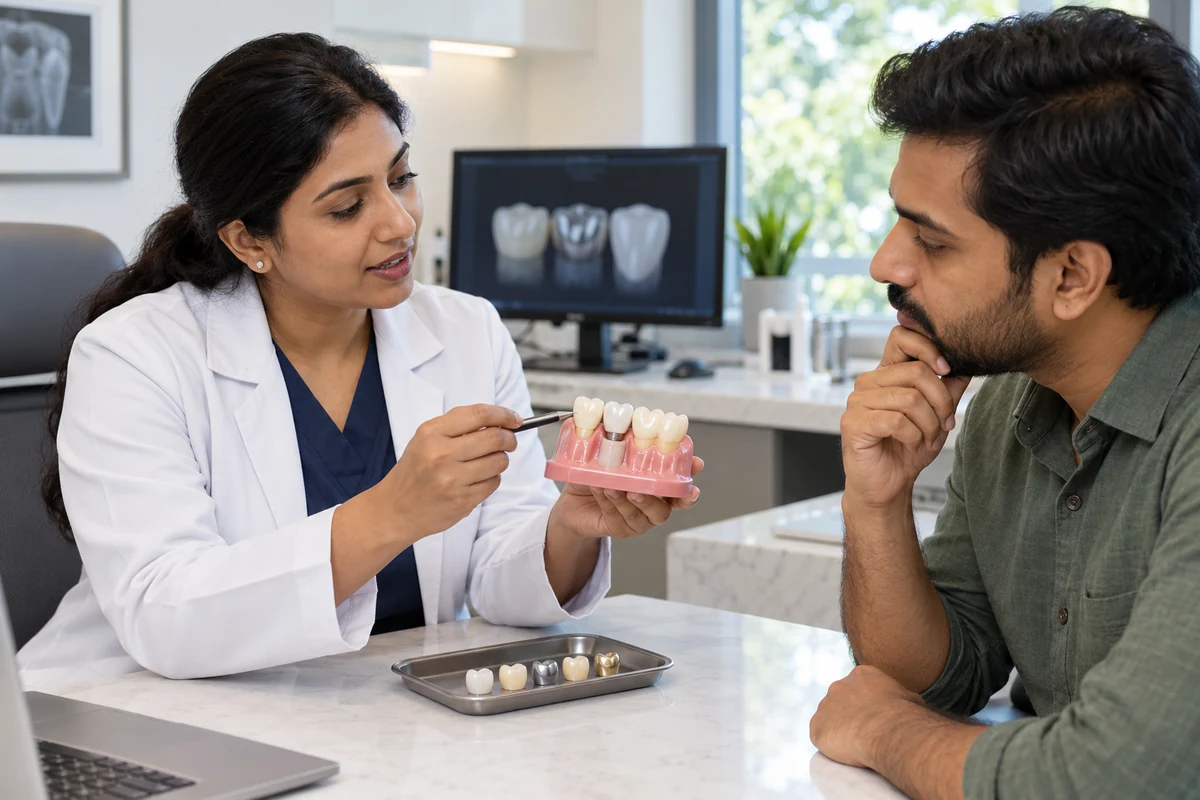
Ask the dentist to describe the problem in everyday language. A photograph, dental model or relevant image may help you understand the explanation.
Useful questions include:
- Which tooth or area needs attention?
- What did the examination show?
- What are the available options?
- How urgent is the problem?
- What could happen if treatment is delayed?
An explanation should connect the findings to the recommendation.
How are dental instruments prepared?
Instrument preparation involves more than wiping a tool or placing it in a clean tray.
CDC guidance describes a sequence that includes cleaning, inspection, packaging where appropriate, sterilisation and protected storage. Reusable dental handpieces also require heat sterilisation between patients. Devices intended for a single use should be used for one patient and disposed of appropriately. CDC
Why sterilisation monitoring matters
Having a steriliser is one part of the process. Monitoring helps the dental team check whether equipment has reached the required conditions.
The CDC recommends a combination of mechanical, chemical and biological monitoring, supported by records. A changed colour indicator alone does not establish that every part of the process was successful. CDC
A question patients can ask
“How are reusable instruments sterilised, and how is that process checked?”
You do not need to inspect a restricted processing area. A clear explanation can help you understand the system behind the treatment room.
What hygiene practices matter around the dental chair?
Infection prevention includes hand hygiene, appropriate protective equipment, safe handling of sharp instruments and cleaning of clinical surfaces.
Gloves do not replace hand hygiene. CDC guidance recommends cleaning hands before putting on gloves and immediately after removing them, as well as before and after treating each patient.
Patients can ask how the chair area is prepared between appointments. However, a tidy room or a sealed instrument pouch cannot by itself prove that every safety procedure has been followed.
Look for a team that welcomes reasonable questions and explains its approach clearly.
Why informed consent is more than a signature
Before agreeing to treatment, ask about the expected benefits, important risks, alternatives, likely recovery and costs.
A consent form records part of the discussion. It should not replace the discussion itself.
The UK General Dental Council’s professional guidance emphasises understandable explanations and ongoing consent throughout care. These are useful patient communication principles, rather than a statement of Indian legal requirements. Obtain valid consent
If you do not understand something, ask the dentist to explain it differently. For a planned procedure, clarify what will happen during that appointment and whether later stages involve separate decisions.
What should a treatment estimate explain?
An estimate should help you compare the proposed care meaningfully. Ask what is included rather than looking only at the headline price.
Depending on the procedure, questions may cover:
- Consultation and investigation charges.
- The treatment and material proposed.
- Temporary and final restorations.
- Review appointments.
- Possible additional treatment.
- Payment stages and cancellation arrangements.
If the findings change during care, ask how the revised plan and cost will be discussed before proceeding.
Keep a copy of the estimate and note which parts remain provisional. This is particularly useful when treatment involves several visits.
How can a dental clinic support nervous patients?
Tell the team about anxiety when booking. Describe any previous experience that makes treatment difficult.
You can ask for an explanation before each step, a way to signal for a pause and time to discuss discomfort management.
Avoid judging care by promises that every procedure will be completely painless. Experiences vary, and the dentist should explain suitable options for your situation.
For children, ask how the team introduces the examination and involves the parent or guardian. A calm explanation can make the visit easier to understand.
What should you know before leaving?
Before leaving, confirm the next appointment and any instructions relevant to your treatment.
Ask:
- What should I expect after today’s visit?
- How should I clean or protect the treated area?
- Are there eating restrictions?
- Which symptoms require a call?
- Who should I contact outside appointment hours?
Ask for written instructions when the advice is detailed. Repeat the key points back if you are unsure.
If an issue develops, use the clinic’s stated contact route. Do not assume a practice provides round the clock care without confirming availability.
Frequently asked questions
1. Can I ask a dentist about instrument sterilisation?
Yes. Asking how instruments are cleaned, sterilised and monitored is reasonable. The team can explain its process without taking you into restricted areas. Remember that visible cleanliness is only one part of infection prevention; preparation methods, equipment checks and consistent procedures also matter.
2. How can I find out who will perform my treatment?
Ask for the treating dentist’s name, relevant qualifications and role in your care. For a procedure involving several clinicians, clarify who handles each stage and follow up. A clinic website can introduce the team, but confirm the clinician assigned to your own appointment.
3. Should I agree to treatment during my first visit?
That depends on the problem, urgency and whether you understand the options. Ask what needs immediate attention and what can be considered later. For planned treatment, request an explanation and estimate before deciding. Urgent symptoms may require prompt assessment and an appropriate care plan.
4. Does modern equipment guarantee better dental care?
Equipment can support diagnosis or treatment when appropriately selected and used. It does not replace clinical assessment, communication or careful planning. Ask why a scan, device or technique is being recommended for your case and how the information will affect the treatment decision.
5. Can I request a second opinion?
You can ask another dentist to assess a proposed treatment, particularly when it is extensive or you remain uncertain. Request the available findings, relevant records and proposed plan. Also ask whether delaying a decision carries any risks, so you can arrange the opinion appropriately.
6. What should I ask before booking at Smilescape Anna Nagar?
Confirm appointment availability, the consultation fee, the treating clinician and what records to bring. Mention pain, swelling or anxiety when calling. If you are enquiring about a specific procedure, ask whether the first visit is an assessment and whether further investigations may be needed.
Visit a dental clinic in Anna Nagar with clearer questions
Choosing a dental clinic in Anna Nagar becomes easier when you know what to ask. Clear explanations, appropriate preparation and an understandable plan help you take an active role in your care.
Smilescape’s Anna Nagar page lists general and specialist dental services. For appointment enquiries, contact Smilescape Dental Care and select the Anna Nagar branch.
Address: Plot 5102, 12th Main Road, Anna Nagar, Chennai, Tamil Nadu 600040.
Phone: +91 90809 19719. Smilescape Dental Care
This article provides general patient education. Individual treatment decisions require a dental examination.