Choosing a dental clinic is an important decision for your oral health. Whether you need a regular dental checkup, root canal treatment, dental implants, braces, or a smile makeover, the clinic you select can influence your treatment experience and long-term dental care.
If you are wondering how to choose a dental clinic, start by checking the dentist’s qualifications, the clinic’s hygiene practices, available treatments, patient communication, and pricing transparency.
A dental clinic should not be selected only because it is nearby or offers the lowest price. Understanding what to look for can help you feel more confident before beginning your dental treatment.
1. Check the Dentist’s Qualifications and Experience
One of the first things to check when choosing a dental clinic is the qualification of the treating dentist.
In India, dentists should hold recognized dental qualifications and appropriate professional registration.
Before booking, consider checking:
- The dentist’s BDS or MDS qualification
- Registration with the relevant dental council
- Experience in the treatment you need
- Whether a specialist is available for complex procedures
- The dentist’s approach to explaining treatment options
For example, someone seeking braces or clear aligners may benefit from consulting an orthodontist. Patients considering complex dental implant treatment may need a dentist with relevant surgical training and experience.
You can use the official dentist registration search to help verify registration details. dciindia.gov.in
2. Understand Which Dental Treatments Are Available
Not every dental clinic provides the same services. Some focus on preventive care, while others also provide restorative, cosmetic, or specialist treatments.
Before choosing a clinic, check whether it offers the dental care you need.
Common dental treatments include:
- General dental checkups and professional cleaning
- Root canal treatment
- Dental fillings, crowns and bridges
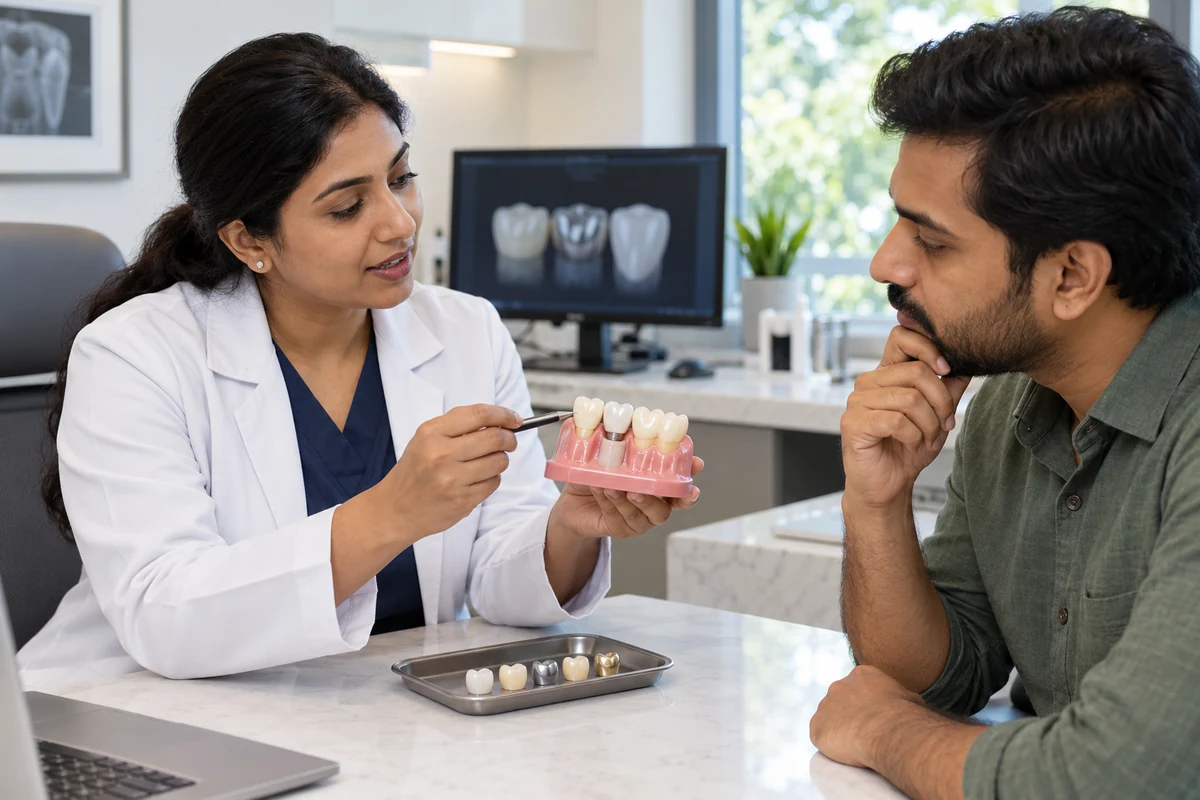
- Dental implants
- Braces and clear aligners
- Teeth whitening and smile designing
- Wisdom tooth removal
- Gum disease treatment
- Children’s dental care
If you require several treatments, ask whether the clinic can coordinate your care or refer you to an appropriate specialist.
A clinic that explains its services clearly can make it easier for you to understand your treatment choices.
3. Check Hygiene and Sterilization Standards
Hygiene is one of the most important factors to consider when selecting a dental clinic.
Dental procedures involve instruments that may contact saliva, blood, and oral tissues. Proper infection prevention practices help protect both patients and dental staff.
During your clinic visit, pay attention to whether the treatment area appears clean and organised.
You can also ask about:
- Sterilization of reusable dental instruments
- Use of disposable items where appropriate
- Gloves, masks and protective equipment
- Hand hygiene before treatment
- Cleaning and disinfection of treatment surfaces
- Procedures for handling clinical waste
According to the CDC dental infection prevention guidance, dental practices should follow established infection prevention procedures, including appropriate sterilization and environmental cleaning. CDC+1
A clean-looking clinic alone does not confirm that every sterilization procedure is followed. Patients should feel comfortable asking staff how instruments are prepared between appointments.
4. Read Patient Reviews Carefully
Online reviews can help you understand other patients’ experiences before visiting a dental clinic.
When searching for the best dental clinic near me, you may find Google reviews, patient testimonials, clinic websites, and local recommendations.
Instead of focusing only on star ratings, read reviews that describe:
- How clearly the dentist explained treatment
- Whether the appointment was organised
- The patient’s experience with clinic staff
- Communication about treatment fees
- Follow-up support after procedures
- How the clinic handled concerns
Remember that reviews reflect individual experiences. They cannot guarantee the same results for every patient.
Look for useful details across multiple reviews rather than relying on one positive or negative comment.
5. Evaluate the Dental Clinic’s Technology
Dental technology can support diagnosis, treatment planning, and communication. However, newer equipment alone does not make a clinic better.
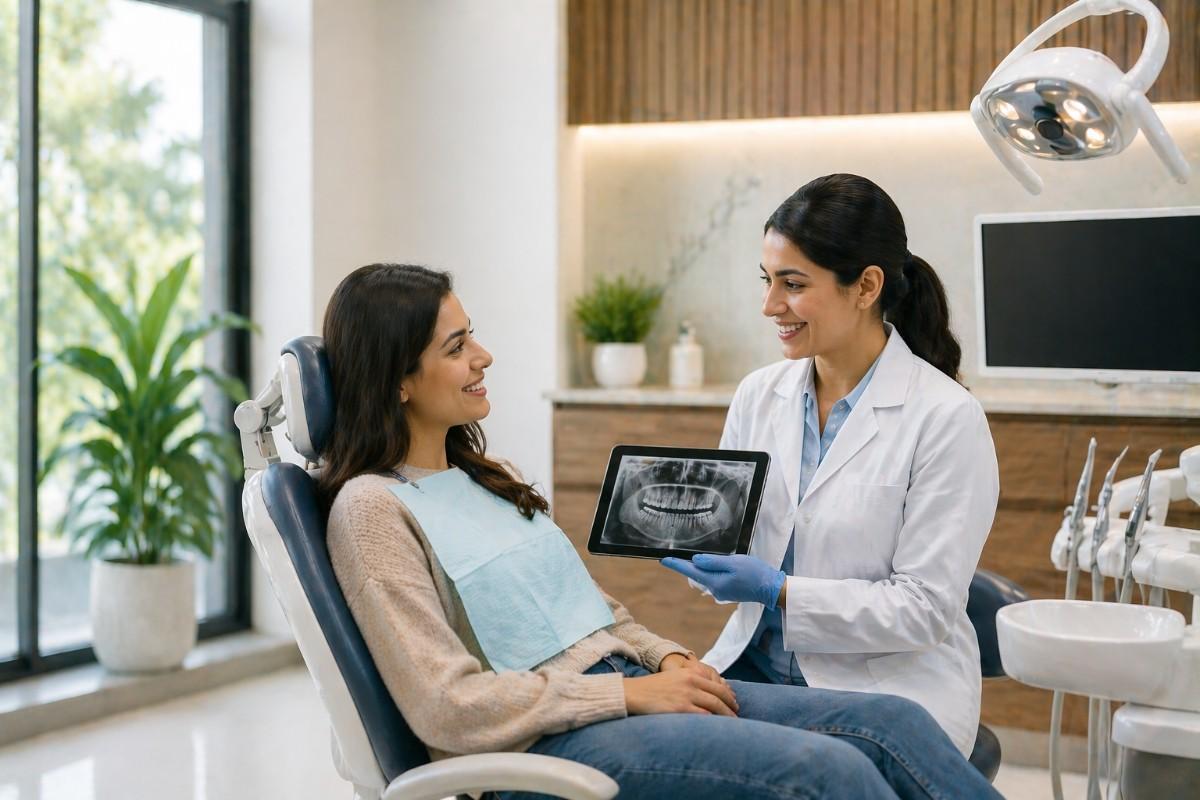
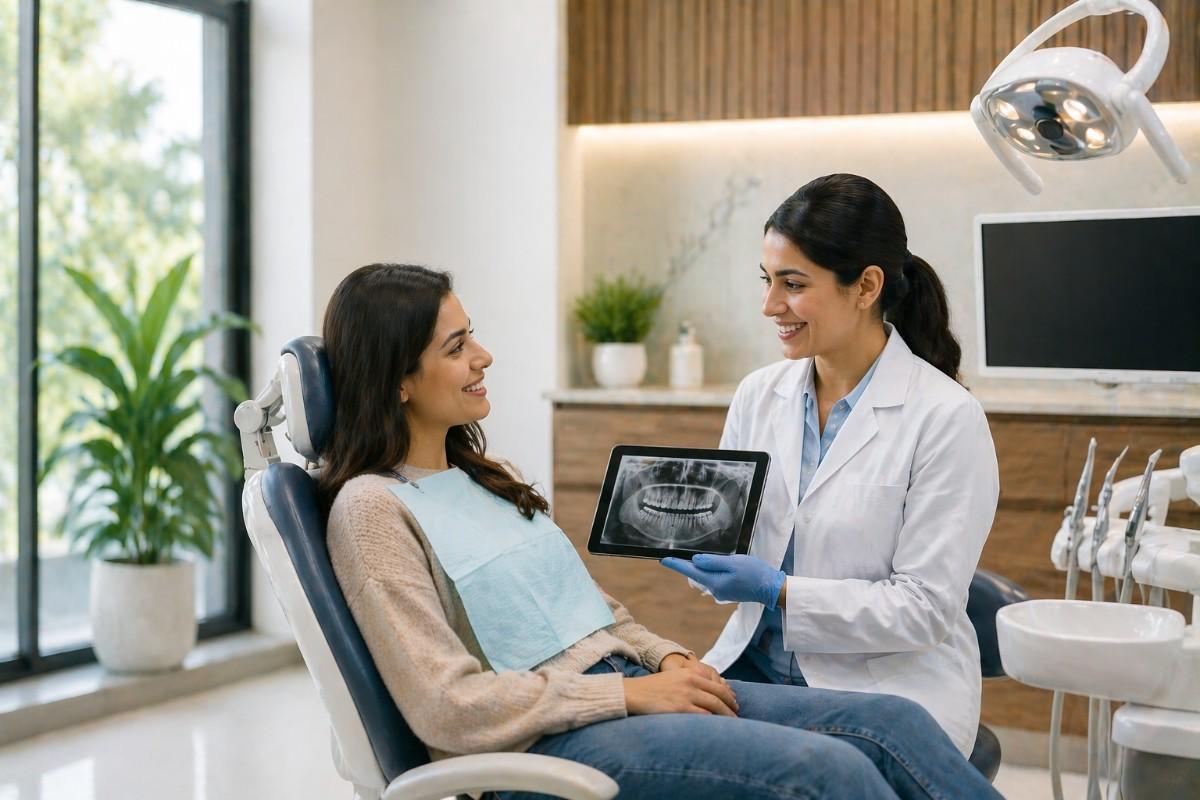
Depending on the treatment, a dentist may use digital dental X-rays, intraoral scanning, diagnostic imaging, or digital treatment planning.
For example, digital scans may help plan some clear aligner treatments. Dental imaging may also support implant assessment when clinically appropriate.
Ask the dentist why a particular scan or technology is recommended for your case.
The most important factor is whether the dentist uses suitable methods based on your oral health needs, not whether the clinic advertises the most equipment.
6. Compare Dental Treatment Costs and Transparency
Dental treatment costs can vary depending on the procedure, materials, clinical complexity, and number of appointments.
Before starting treatment, request a clear estimate.
For procedures such as dental implants, crowns, braces, or smile makeovers, the estimate should explain what is included.
Ask whether the quoted price covers consultations, investigations, laboratory charges, treatment stages, and follow-up visits.
You should also understand whether additional treatment could change the overall cost.
The cheapest dental clinic is not automatically the most suitable option. Compare the proposed treatment, the dentist’s qualifications, follow-up arrangements, and the total expected cost.
7. Choose a Clinic That Explains Treatment Options Clearly
Good communication is an important part of dental care.
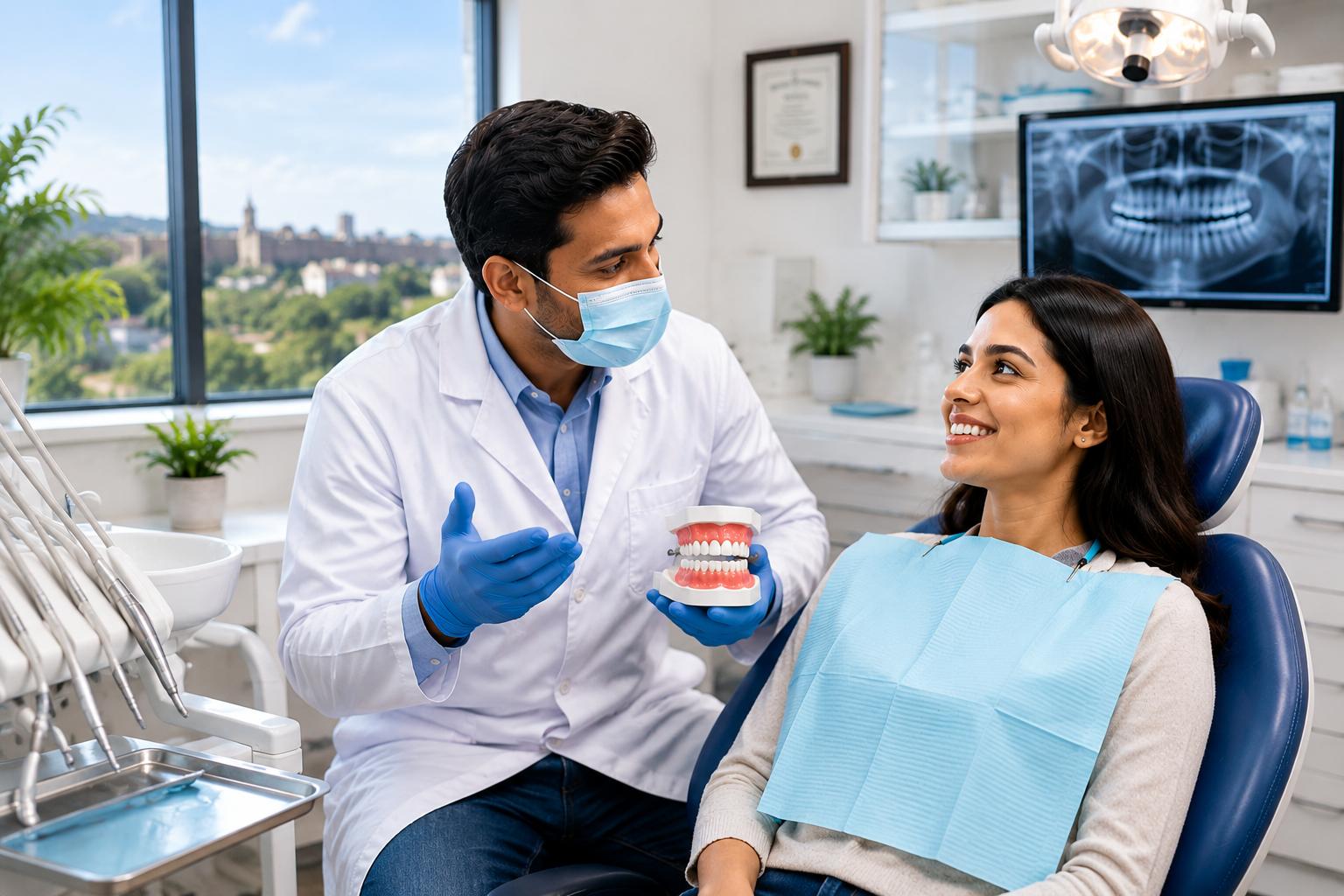
A dentist should explain your oral health condition, why treatment may be recommended, and which alternatives are available.
During the consultation, you should have an opportunity to ask questions about the procedure, expected benefits, possible risks, recovery, and aftercare.
For example, if you have a damaged tooth, the dentist should explain whether it can be restored and discuss suitable alternatives when relevant.
The American Dental Association’s patient guidance recommends considering dentist-patient communication and discussing concerns before making a final choice. MouthHealthy
You should never feel pressured to agree immediately to an elective dental procedure without understanding the proposed treatment.
8. Consider Location and Appointment Availability
Choosing a dental clinic close to your home or workplace can make attending appointments easier.
This is particularly useful for treatments that require multiple visits, such as braces, clear aligners, root canal treatment, or dental implants.
For example, if you live in Chennai, searching for a dental clinic in Chennai along with your neighbourhood may help you identify convenient options.
Consider the clinic’s opening hours, appointment availability, transport access, and arrangements for urgent dental problems.
However, convenience should not replace clinical suitability. For complex treatment, travelling to an appropriately qualified dentist may be worthwhile.
9. Ask About Follow-Up Care After Dental Treatment
Dental care does not always end when a procedure is completed.
Some treatments require follow-up appointments to monitor healing, make adjustments, or check the condition of a restoration.
For instance, patients receiving clear aligners may require progress reviews and retainers after active treatment. Dental implant patients may need reviews to assess healing and ongoing maintenance.
Before treatment, ask the clinic:
- Will follow-up appointments be necessary?
- What aftercare instructions will I receive?
- Whom should I contact if I experience a problem?
- Are follow-up visits included in the treatment estimate?
- What should I do if pain or swelling develops after treatment?
A clear aftercare plan helps patients understand their responsibilities and when professional attention may be needed.
10. Schedule an Initial Dental Consultation
An initial consultation can help you decide whether a dental clinic is suitable for your needs.
During your visit, observe how the dentist communicates, whether your medical and dental history is reviewed, and how treatment recommendations are explained.
A useful consultation should give you an opportunity to understand your dental condition and discuss available options.
If you are considering an extensive or irreversible procedure, seeking a second professional opinion can also help you make an informed decision.
What Questions Should You Ask Before Choosing a Dental Clinic?
Here is a simple checklist you can use before booking dental treatment.
| Question | Why it matters |
|---|---|
| Is the dentist appropriately qualified and registered? | Helps verify professional credentials |
| Does the dentist have experience with my treatment? | Helps determine clinical suitability |
| How does the clinic sterilize instruments? | Helps assess infection prevention practices |
| Will I receive a written treatment estimate? | Helps avoid unexpected expenses |
| Are alternative treatments explained? | Supports informed decision making |
| What follow-up care is available? | Helps with treatment recovery and maintenance |
| Can I ask questions before agreeing to treatment? | Supports clear communication and informed consent |
Common Mistakes to Avoid When Choosing a Dental Clinic
Some patients select a clinic based only on attractive advertisements, discounted treatment prices, or high online ratings.
While these factors may help you discover available clinics, they should not be the only reasons for choosing one.
Be cautious about clinics that do not clearly identify the treating dentist, avoid answering questions about treatment costs, or promise guaranteed results.
Dental treatment outcomes depend on several factors, including your oral health condition, treatment complexity, and individual response.
A responsible dental clinic should explain realistic expectations rather than promising that every treatment will be painless, permanent, or successful.
Frequently Asked Questions
How do I choose the best dental clinic near me?
Start by checking the dentist’s qualifications, registration, relevant experience, hygiene practices, patient reviews, and consultation process. Choose a clinic that explains treatment options clearly and provides suitable follow-up care.
Is it better to choose a dental specialist or a general dentist?
It depends on your dental condition. A general dentist can manage many routine dental problems. Complex orthodontic, surgical, gum, or restorative conditions may require evaluation by a dentist with specialist training.
How can I check if a dental clinic is safe?
Ask about instrument sterilization, hand hygiene, disposable materials, and cleaning procedures. You can also observe the clinic environment and discuss any infection prevention concerns with staff.
Should I compare prices before dental treatment?
Yes. Comparing written treatment estimates can help you understand the expected cost, included procedures, materials, and follow-up care. The lowest price should not be the only deciding factor.
Can I get a second opinion before dental treatment?
Yes. A second opinion can be helpful when considering complex, expensive, or irreversible dental procedures. It may help you understand the recommended treatment and possible alternatives.
What should I look for during my first dental consultation?
Check whether the dentist listens to your concerns, reviews your relevant health history, examines your teeth and gums, explains findings, and discusses suitable treatment options before asking for consent.