Imagine walking into a dental clinic with beautiful interiors, comfortable seating, soft lighting and modern furniture. Everything looks impressive, and you immediately feel that you have chosen the right place.
But here is an important question.
Does a beautiful dental clinic always mean you will receive better dental treatment?
Not necessarily.
A well designed clinic can make your visit pleasant, but it cannot tell you everything about the quality of care you will receive. Your dental health depends on factors such as the dentist’s knowledge, accurate diagnosis, treatment planning, hygiene practices and attention to your individual needs.
When people look for the best dental clinic, they may notice attractive interiors, sophisticated equipment or impressive social media photographs. These details can create a positive first impression, but they should not be the only reasons for choosing a dentist.
Understanding what really matters in dental treatment can help you make better decisions about your oral health.
1. A Beautiful Dental Clinic Creates Comfort, Not Guaranteed Results
There is nothing wrong with choosing a dental clinic that looks modern and welcoming.
A comfortable waiting area, clean interiors and organised surroundings can reduce anxiety, especially for patients who feel nervous about dental visits.
However, the appearance of a clinic does not automatically reflect the dentist’s clinical experience or the quality of treatment.
A clinic may have an attractive reception area, premium furniture and expensive decorations. But these features cannot tell you whether a root canal has been planned correctly or whether dental implant treatment is suitable for your oral condition.
Similarly, a smaller clinic with simple interiors may provide excellent dental care when it has qualified professionals, appropriate equipment and strong safety practices.
What Should Patients Focus On?
Instead of judging a clinic only by its appearance, pay attention to the dentist’s qualifications, the thoroughness of the examination, the explanation of treatment options and the infection control procedures.
A beautiful clinic can improve your experience, but clinical care is what directly addresses your dental problems.
2. The Dentist’s Expertise Matters More Than Expensive Interiors
Dental treatment involves more than using instruments or completing procedures.
Every patient’s teeth, gums, bone structure, bite and medical history can be different. A treatment that is suitable for one person may not be appropriate for another.
An experienced dentist uses professional knowledge and clinical judgement to understand these differences.
For example, two patients may visit a clinic with tooth pain.
One patient may have a cavity that can be treated with a filling. Another may have an infection affecting the dental pulp and require root canal treatment or another procedure.
Although both patients have similar symptoms, their treatment needs can be different.
Why Qualifications and Experience Matter
A qualified dentist should be able to examine your oral condition, explain the likely cause of the problem and recommend treatment based on clinical findings.
For more complex procedures, relevant specialist training or experience may be especially important.
An orthodontist focuses on problems involving tooth alignment and bite relationships. An endodontist has advanced training in conditions affecting the dental pulp and root canal system. Other dental specialists focus on areas such as gum disease, oral surgery and tooth replacement.
Before beginning major treatment, ask who will perform the procedure and what qualifications or relevant experience they have.
3. Accurate Dental Diagnosis Is the Foundation of Quality Treatment
One of the most important parts of dental care happens before treatment begins.
It is the diagnosis.
Good dental treatment starts with identifying the actual cause of a problem rather than treating only its visible symptoms.
Consider a patient who visits a clinic because of bleeding gums.
The bleeding may be related to inflammation caused by plaque, but the dentist needs to assess the patient’s gum condition, oral hygiene, medical history and other relevant factors.
Simply recommending a cosmetic procedure would not address the underlying problem.
How Dentists Diagnose Dental Problems
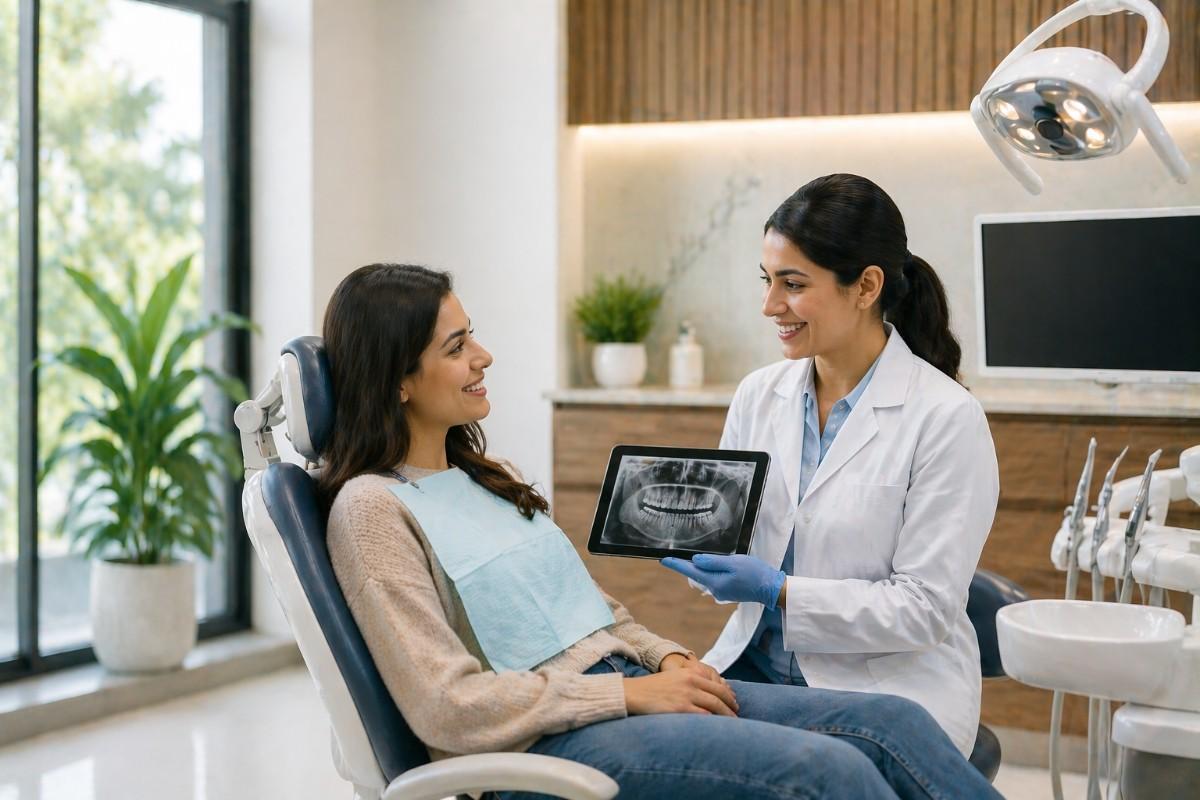
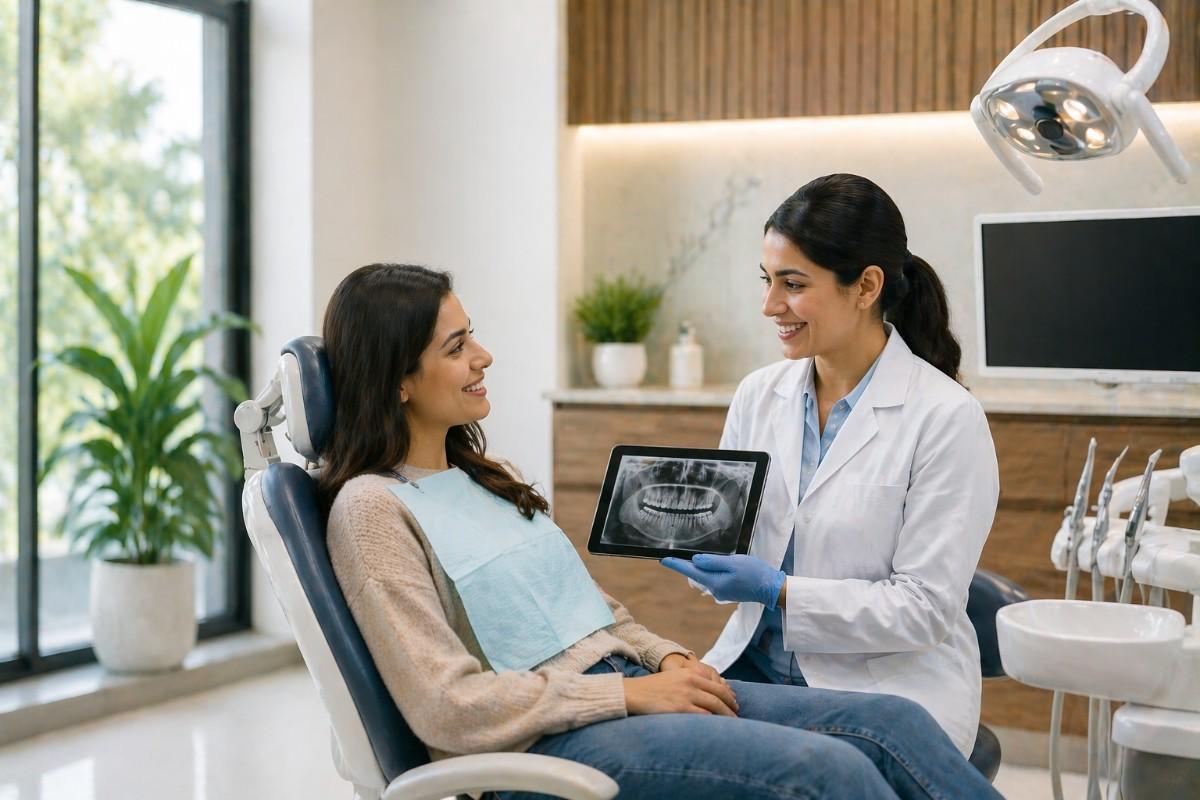
Depending on the patient’s condition, a dentist may perform a visual oral examination, examine the gums, assess the bite and recommend dental X rays or other tests.
Not every patient needs advanced imaging. Diagnostic procedures should be selected according to clinical requirements.
A good diagnosis helps the dentist understand which treatment options are suitable and which procedures may be unnecessary.
The quality of your dental treatment begins with understanding the problem correctly.
4. Proper Treatment Planning Is More Important Than Fancy Equipment
Imagine two dental clinics offering dental implant treatment.
One clinic focuses mainly on showing its latest technology and attractive treatment rooms.
Another explains your oral condition, evaluates your medical and dental history, discusses the available tooth replacement options and describes the expected treatment process.
Which approach helps you make a more informed decision?
The second approach provides more useful information for understanding the proposed care.
Modern technology can support dental treatment, but effective treatment planning requires professional judgement.
What Is Dental Treatment Planning?
Dental treatment planning is the process of deciding how to manage a patient’s dental condition.
A suitable plan considers the patient’s diagnosis, oral health, medical history, treatment preferences, possible risks, expected benefits and financial circumstances.
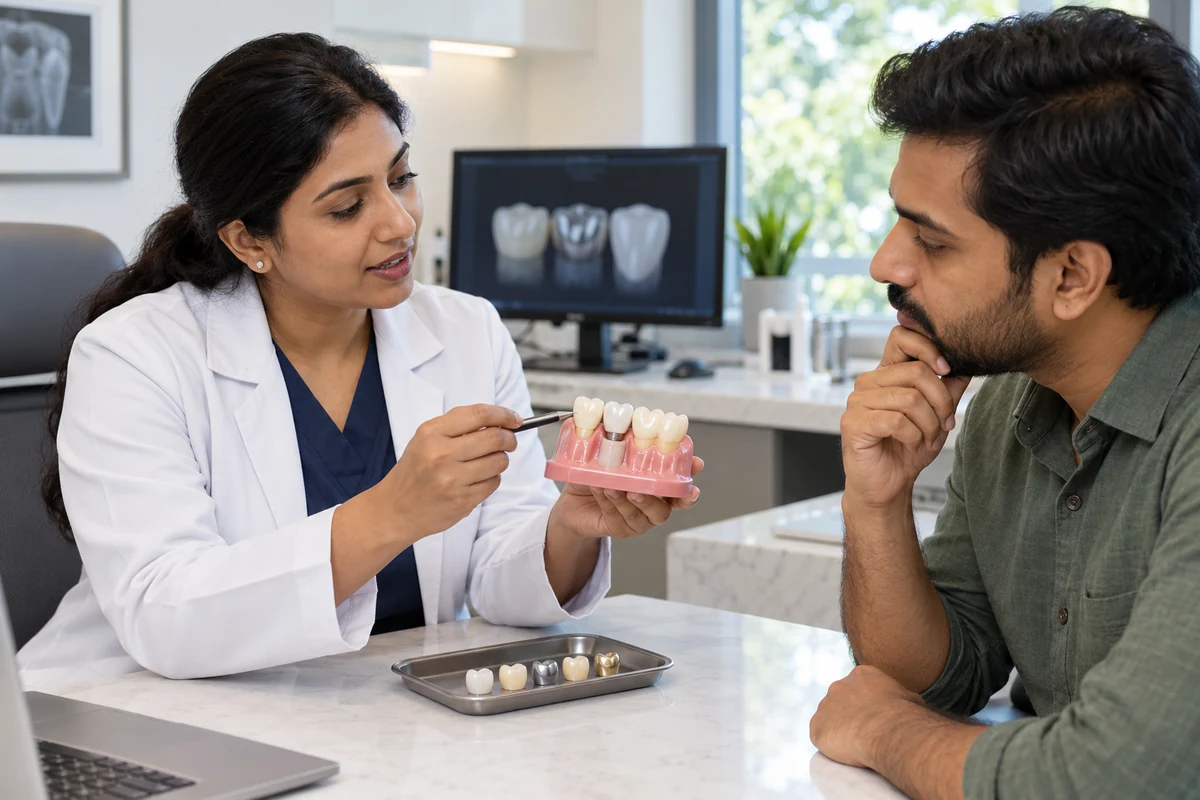
For example, patients with missing teeth may have different replacement options, including implants, bridges and dentures.
The most appropriate option depends on several factors, including the condition of surrounding teeth, gum health, bone support and the patient’s preferences.
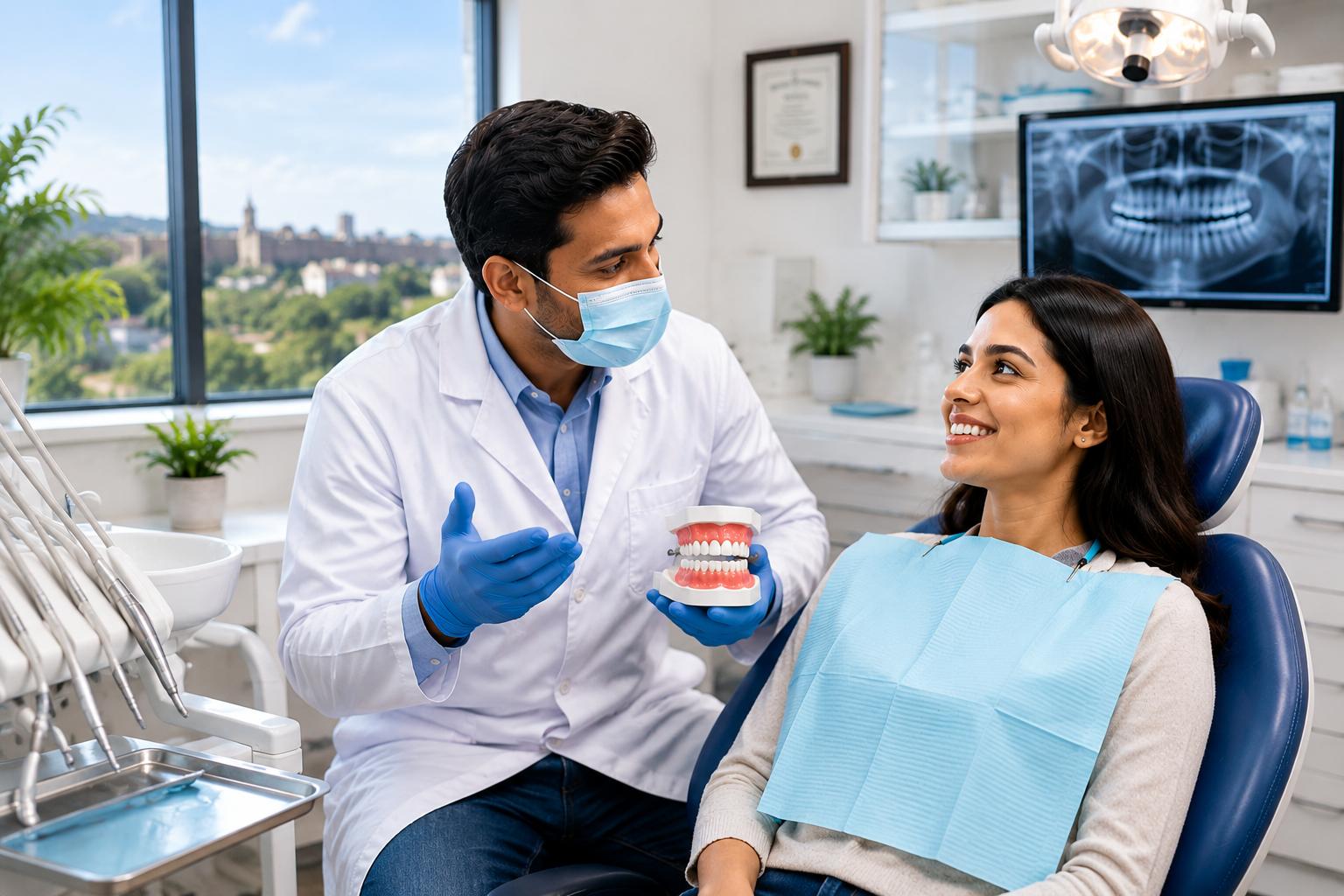
Dentists should explain why they recommend a particular procedure and discuss reasonable alternatives.
The American Dental Association emphasises that diagnosis and treatment planning should involve the treating dentist’s professional judgement and consultation with the informed patient. American Dental Association
5. Dental Clinic Hygiene Is More Important Than Decorative Luxury
A clinic can have beautiful walls, elegant lighting and premium furniture. But none of these details can replace proper infection prevention practices.
Dental procedures involve contact with saliva, blood and oral tissues. Therefore, infection control is an essential part of patient safety.
What Does Good Dental Hygiene Include?
Dental clinics should follow appropriate hand hygiene, instrument cleaning, sterilisation and environmental disinfection procedures.
Reusable instruments must be processed according to the type of instrument and its intended use. Dental staff should also use appropriate protective equipment.
According to the Centers for Disease Control and Prevention, dental infection prevention involves correct instrument reprocessing, sterilisation, surface disinfection and staff training. CDC+1
Patients can ask how the clinic sterilises reusable instruments and what safety procedures are followed between appointments.
A clean looking floor or reception desk is not enough to establish that clinical instruments are being processed correctly.
Real hygiene standards are demonstrated through consistent safety practices, not interior decoration.
6. Modern Dental Technology Helps, but Skill Determines How It Is Used
Modern dental technology has changed many aspects of diagnosis and treatment.
Digital X rays, intraoral scanners, dental microscopes and three dimensional imaging can help dentists examine oral structures and plan certain procedures.
However, owning advanced equipment does not automatically mean that every treatment will be successful.
The dentist must understand when the technology is appropriate and how to interpret the information it provides.
Example: Clear Aligner Treatment
A digital scanner may create a detailed model of a patient’s teeth.
But the scanner does not independently determine the most suitable orthodontic treatment.
The dentist or orthodontist must assess the patient’s teeth, bite, gum condition and other clinical factors.
Treatment planning and professional monitoring are important throughout the process.
Example: Root Canal Treatment
Dental microscopes and imaging tools may help clinicians visualise tooth structures during certain procedures.
However, successful care also depends on accurate diagnosis, appropriate technique, infection control and restoration of the treated tooth.
Technology can assist an experienced dentist. It cannot replace sound clinical judgement.
7. Good Dental Treatment Focuses on Long Term Oral Health
Dental treatment should not focus only on making teeth look attractive immediately after a procedure.
The broader goal is to restore or maintain oral health, function and comfort while addressing the patient’s concerns.
For example, a dental crown may improve the appearance and function of a damaged tooth. However, its long term performance can also depend on the remaining tooth structure, oral hygiene, bite forces and regular dental care.
Similarly, dental implants require appropriate planning and ongoing maintenance.
Even after a well performed procedure, patients need to follow recommended oral care practices.
Why Long Term Care Matters
Quality dental care involves considering what happens after treatment.
A dentist should explain how to maintain the treated teeth, what complications to watch for and whether future appointments are necessary.
No responsible dental professional can guarantee that every treatment will last forever.
Long term outcomes depend on multiple factors, including the patient’s oral health, medical conditions, personal habits and maintenance.
8. The Best Dental Care Is Not Always the Most Expensive
Many people assume that expensive dental treatment automatically means better treatment.
However, higher prices do not always indicate better clinical quality.
Dental treatment costs can vary because of the procedure, materials, complexity, location, equipment and professional services involved.
An attractive clinic in a premium commercial building may have higher operating expenses than a smaller neighbourhood clinic.
Those expenses do not independently demonstrate whether one clinic provides better care.
What Should You Compare Instead of Price Alone?
When comparing treatment options, consider the proposed diagnosis, the dentist’s qualifications, the treatment materials, potential risks, expected benefits and the full estimated cost.
Ask whether the quotation includes necessary investigations, restorations and follow up appointments.
For major procedures, a written treatment estimate can help you understand what you are paying for.
Choosing the cheapest option without understanding the treatment plan may not be wise. But choosing the most expensive clinic simply because it looks luxurious is not a reliable approach either.
9. Honest Communication Is a Sign of Patient Focused Dental Care
A good dentist should make you feel comfortable asking questions.
When you visit a dental clinic, pay attention to how the dentist communicates.
Does the dentist listen to your concerns? Do they explain your dental condition clearly? Are you informed about possible treatment options?
For example, if you are considering a smile makeover, the dentist should explain what can realistically be achieved.
If your teeth have existing gum problems, decay or other conditions, those issues may need attention before cosmetic treatment.
Why Patient Communication Matters
Good communication helps patients understand their treatment and participate in decisions.
You should know why a procedure is recommended, what it may involve, whether alternatives are available and what risks or limitations should be considered.
A trustworthy dentist will not promise perfect results for every patient.
Instead, they will explain the expected benefits and uncertainties based on your individual condition.
10. Compare Dental Clinics Based on Care, Not Just Appearance
When choosing a dental clinic, it helps to separate features that improve comfort from those that directly support treatment quality.
| Clinic appearance and amenities | Clinical care and patient safety |
|---|---|
| Attractive reception area | Qualified and appropriately registered dentist |
| Modern furniture | Accurate dental diagnosis |
| Premium interior design | Individual treatment planning |
| Decorative lighting | Proper infection prevention practices |
| Comfortable waiting room | Clear explanation of treatment options |
| Luxury atmosphere | Appropriate equipment and clinical techniques |
| Stylish photographs | Follow up care and patient support |
A good dental clinic can offer both a pleasant environment and high quality care.
The important point is that attractive interiors should complement clinical standards rather than distract from them.
The Indian Dental Association includes safe and effective care, infection control, treatment decisions, communication and the dental care environment among its practice standards. ida.org.in
11. How Can You Identify Quality Dental Care?
You cannot fully assess the technical quality of a dental procedure simply by looking around a clinic.
However, you can evaluate several signs of a responsible approach.
A dentist who listens to your concerns, takes an appropriate medical history, explains the diagnosis and discusses available treatments is helping you make an informed decision.
You can also ask about professional qualifications and infection prevention procedures.
For major treatment, consider seeking a second opinion if the recommendation is unclear or you are uncomfortable with the proposed plan.
Patient reviews may provide useful information about communication and service, but online ratings alone cannot establish clinical competence.
Ultimately, the right dental clinic is one that combines qualified professionals, appropriate clinical care, safety practices and respect for its patients.
Frequently Asked Questions
1. Does a modern dental clinic always provide better treatment?
No. Modern facilities can improve comfort and support certain dental procedures, but treatment quality also depends on the dentist’s expertise, diagnosis, clinical judgement and infection control.
2. What matters most when choosing a dental clinic?
Important factors include dentist qualifications, accurate diagnosis, appropriate treatment planning, hygiene standards, patient communication and follow up care.
3. Is an experienced dentist better than a clinic with advanced equipment?
Experience and technology both have value. A qualified dentist who uses suitable equipment appropriately can provide effective care. Neither experience alone nor advanced equipment alone guarantees a particular treatment outcome.
4. Why is dental treatment planning important?
Treatment planning helps the dentist select suitable procedures after considering the patient’s oral condition, medical history, treatment goals and available options.
5. Can a small dental clinic provide quality treatment?
Yes. Clinic size does not automatically determine treatment quality. Smaller clinics can provide high quality care when they have qualified dentists, appropriate facilities and sound clinical practices.
6. How do I know whether dental treatment is good quality?
Ask about the diagnosis, dentist’s qualifications, treatment options, potential risks, safety procedures and follow up care. These can help you evaluate the approach, although technical treatment quality may require professional assessment.
7. Should I choose a dental clinic based on Google reviews?
Reviews can help you understand patient experiences, but they should not replace checking clinical qualifications, safety practices and treatment explanations.
Conclusion: Choose Dental Expertise, Not Just Beautiful Interiors
A beautiful dental clinic can make your visit more comfortable. Clean surroundings, pleasant lighting and modern facilities are valuable parts of the patient experience.
However, your dental health deserves more than an attractive environment.
The real value of dental care lies in the knowledge of the treating dentist, accurate diagnosis, individual treatment planning, appropriate infection control and ongoing patient support.
Whether you need a simple filling, root canal treatment, dental implants, clear aligners or cosmetic dentistry, take time to understand the proposed care before making a decision.
A clinic does not have to look luxurious to provide quality dental treatment. Equally, having beautiful interiors does not mean a clinic offers poor care.
The best choice is a dental clinic where comfort is supported by professional expertise, responsible treatment and patient safety.
Before selecting your dental clinic, look beyond what you see in the waiting room. Ask questions, understand your options and make your oral health the priority.