Experiencing tooth pain in Tiruvannamalai? Learn the 7 warning signs that indicate you may need a root canal treatment. Expert guidance from Smile Scape Dental Care. Schedule your consultation today
7 Signs You Need a Root Canal Treatment in Tiruvannamalai
Are you experiencing persistent tooth pain? Wondering if you need a root canal? At Smile Scape Dental Care in Tiruvannamalai, we help patients understand when this essential treatment is necessary. Learn the 7 warning signs that indicate you may need a root canal treatment in Tiruvannamalai and when to seek immediate care.
Tooth pain can be confusing. Some discomfort fades in a day, while other pain signals a deeper problem inside the tooth. When infection reaches the tooth’s pulp (the inner living tissue), ignoring it can lead to swelling, abscess, and worsening root canal pain. If you’ve been searching for root canal symptoms, tooth pain relief Tiruvannamalai, or emergency dental care Tiruvannamalai, this guide will help you spot red flags early and take the right action.
Table of Contents
- What is a Root Canal Treatment?
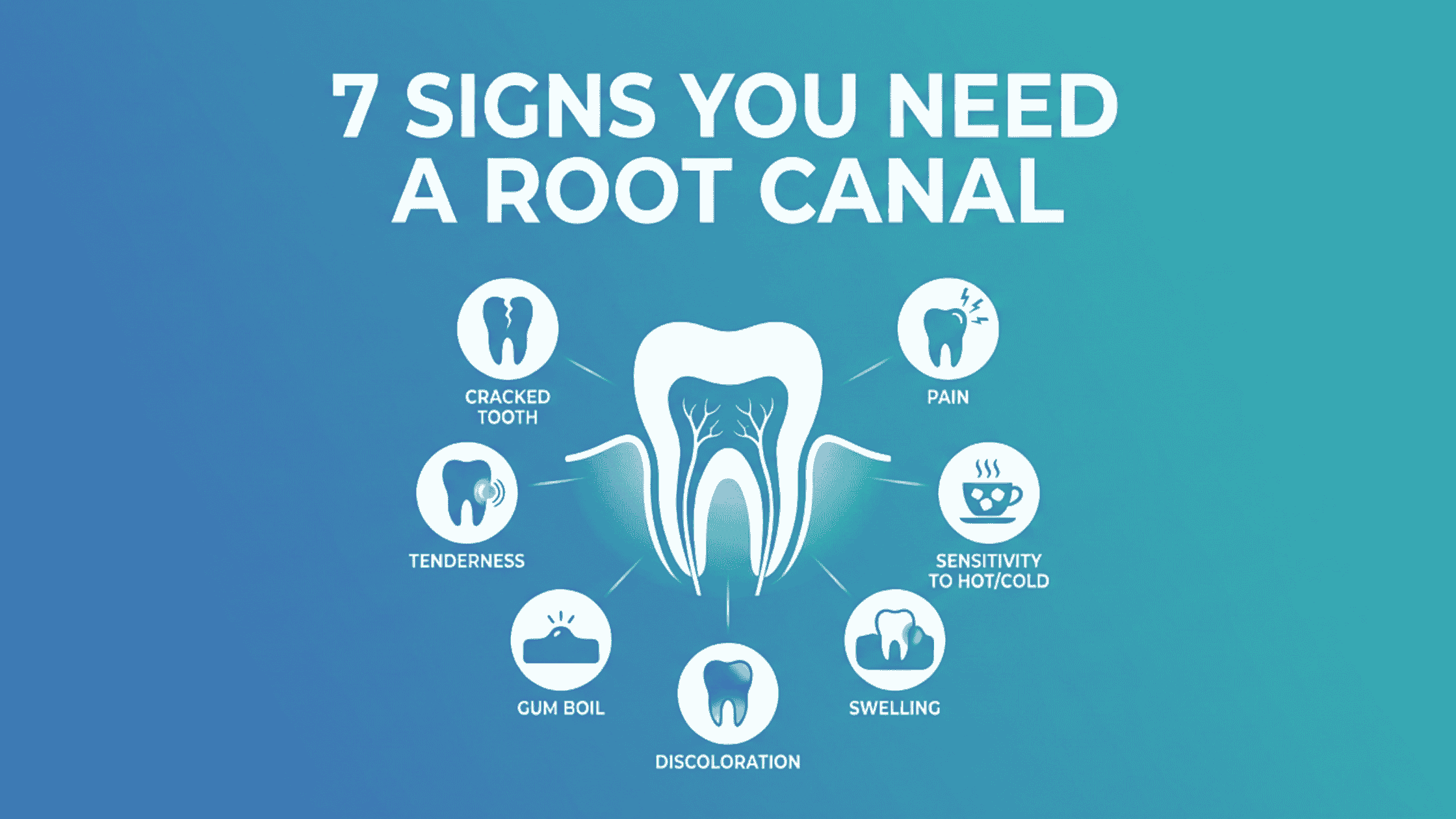
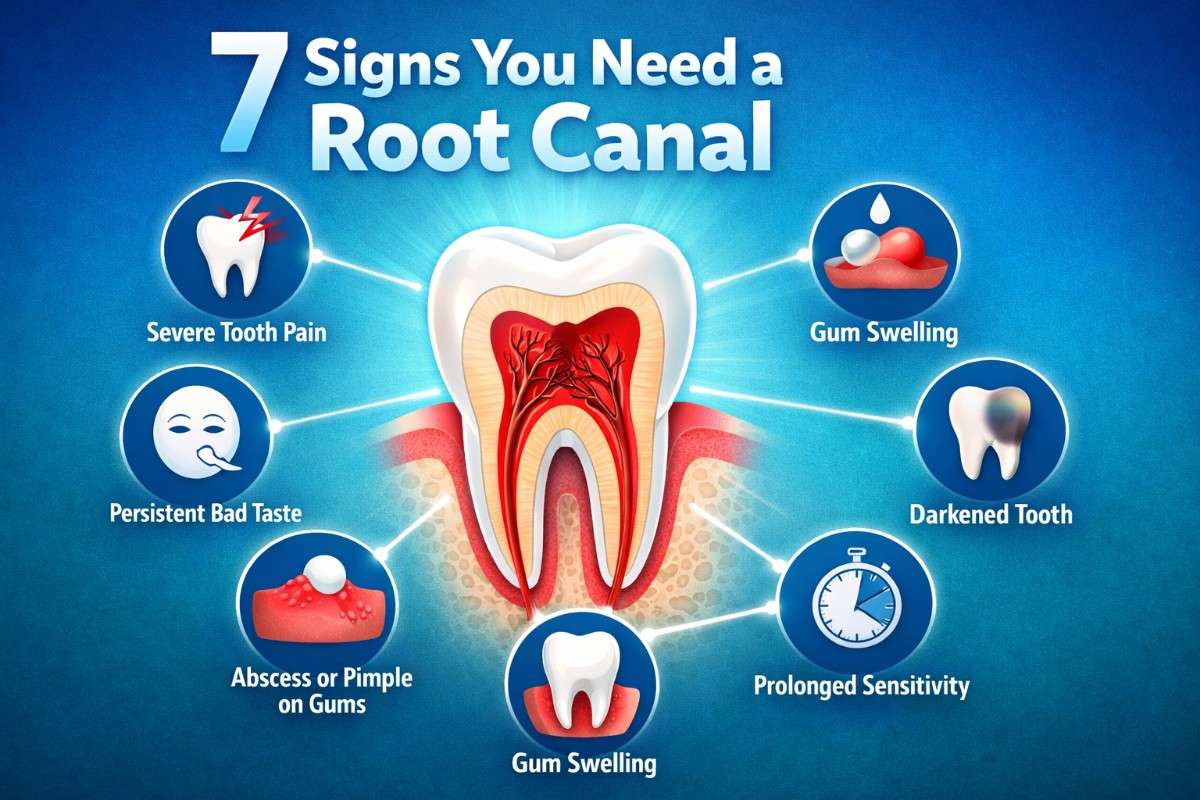
- 7 Signs You Need a Root Canal Treatment in Tiruvannamalai
- Sign 1: Severe Toothache Pain and Root Canal Symptoms
- Sign 2: Prolonged Temperature Sensitivity Indicating Pulp Damage
- Sign 3: Tooth Discoloration as Root Canal Warning Sign
- Sign 4: Gum Swelling and Tooth Abscess
- Sign 5: Pimple-Like Bump on Gums
- Sign 6: Pain When Chewing
- Sign 7: Cracked or Chipped Tooth Needing Root Canal
- When to Seek Emergency Dental Care in Tiruvannamalai
- The Root Canal Procedure at Smile Scape Dental Care Tiruvannamalai
- Root Canal Success Rate and Tooth Longevity
- Root Canal Recovery Timeline and Aftercare
- Root Canal vs Tooth Extraction: Complete Comparison
- Common Root Canal Myths vs Reality
- Prevention of Root Canal Need
- Why Choose Smile Scape Dental Care in Tiruvannamalai for Root Canal Treatment
- Conclusion
What is a Root Canal Treatment?
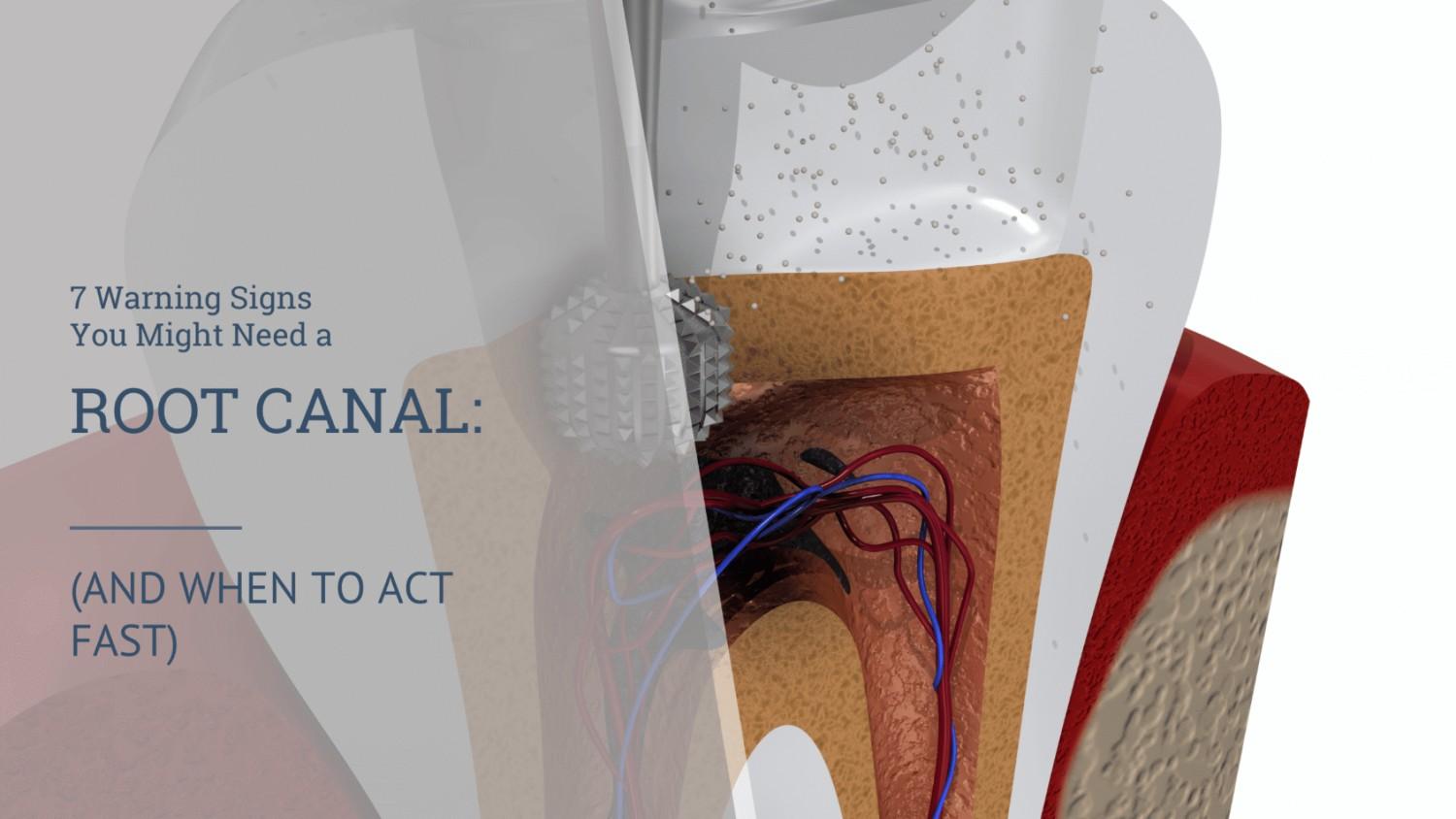
A root canal is an endodontic procedure that removes infected or damaged pulp from inside the tooth. The pulp contains nerves and blood vessels, and it can become inflamed or infected due to:
- deep cavities (decay that reaches the pulp)
- trauma (a hit to the tooth)
- repeated dental work (multiple fillings in the same tooth)
- cracks or chips that expose inner tooth structure
When the pulp is infected, bacteria can spread through the root canals and into the surrounding bone. That’s when symptoms become stronger especially root canal pain, swelling, and pressure sensitivity.
The purpose of root canal treatment in Tiruvannamalai is simple:
- remove infection from inside the tooth
- relieve pain and prevent further damage
- save your natural tooth so you can chew normally
- reduce risk of abscess and complications
If you’re asking how to know if you need root canal treatment, the answer usually begins with recognizing the symptoms below.
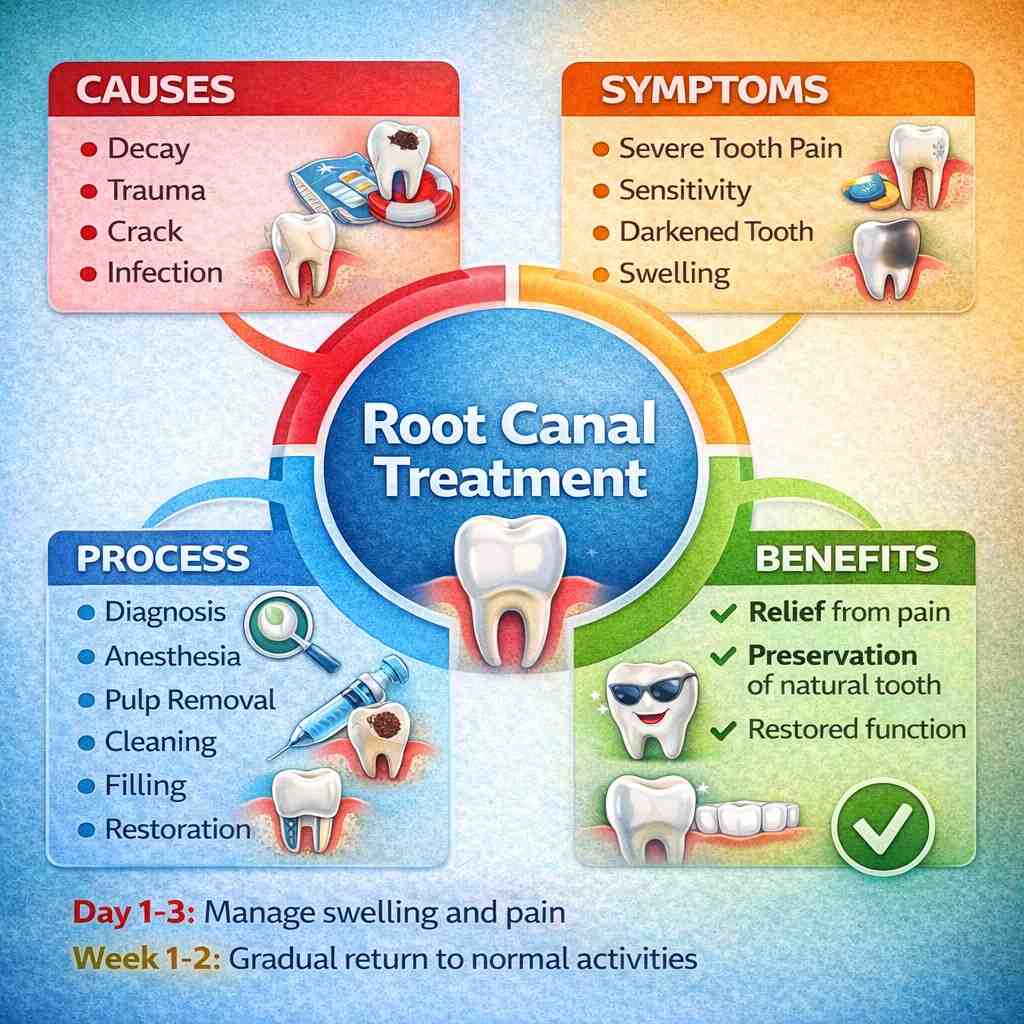
7 Signs You Need a Root Canal Treatment in Tiruvannamalai
Each sign below is common, but not every patient experiences all symptoms. Some people feel strong pain; others notice swelling or discoloration first. If you have more than one sign, book an evaluation with a Tiruvannamalai dentist.
Sign 1: Severe Toothache Pain and Root Canal Symptoms
Severe toothache is the most noticeable red flag and one of the most reported root canal symptoms.
You may feel:
- deep throbbing pain that doesn’t settle
- pain that comes and goes but returns stronger
- pain triggered by chewing or biting
- pain when eating hot or cold foods
- pain that radiates to the jaw, ear, or neck
What it means
This kind of pain often indicates the pulp is inflamed or infected. The nerve inside the tooth becomes irritated, and pressure from infection can build inside the tooth and around the root. When pain radiates, it’s often because the inflammation is affecting surrounding tissues and nerves.
If you’re searching for tooth pain relief Tiruvannamalai, remember: pain medicines can reduce symptoms temporarily, but they don’t remove the infection inside the tooth. A root canal addresses the cause not just the discomfort.
Sign 2: Prolonged Temperature Sensitivity Indicating Pulp Damage
Tooth sensitivity is common but lingering sensitivity is a warning sign.
Look for:
- pain when drinking cold water or hot beverages
- sensitivity that lasts more than a few seconds after the hot/cold source is removed
- sensitivity that feels sharp, deep, or “inside the tooth”
What it means
When sensitivity lingers, it often indicates pulp damage and nerve compromise. Many patients ask: can tooth sensitivity mean I need root canal? Yes especially when it lasts, worsens, or appears along with chewing pain or spontaneous ache.
If you’re experiencing tooth sensitivity Tiruvannamalai and it’s not improving, it’s best to get it checked early before it turns into severe root canal pain.
Sign 3: Tooth Discoloration as Root Canal Warning Sign
A tooth that looks darker than others can be a silent but serious clue.
You may notice:
- gray discoloration
- dark brown/black tint
- one tooth looking “dead” compared to the rest
What it means
Discoloration can indicate:
- internal bleeding after trauma
- pulp necrosis (the nerve tissue is dying)
- advanced decay reaching the pulp chamber
Even if the tooth doesn’t hurt much today, internal breakdown can progress. Discoloration is a strong reason to book an evaluation for possible root canal treatment in Tiruvannamalai, especially if it’s paired with sensitivity or swelling.
Sign 4: Gum Swelling and Tooth Abscess
Swelling near a tooth is a major sign that infection may have spread beyond the tooth.
You may notice:
- swollen gum near one tooth
- swelling in the cheek or jaw
- tenderness, redness, or warmth
- pain that gets worse when lying down
What it means
Swelling often indicates a tooth abscess a bacterial infection at the root. Sometimes it overlaps with gum disease Tiruvannamalai, but when swelling is localized and associated with tooth pain, a root infection becomes a major concern.
This is also a situation where emergency dental care Tiruvannamalai may be needed especially if swelling is increasing quickly.
Sign 5: Pimple-Like Bump on Gums
A small bump on the gum (near the painful tooth) is one of the clearest signs of infection.
It can:
- look like a tiny pimple
- be tender or painless
- occasionally drain fluid or pus
- cause bad taste or odor
What it means
This is often a drainage point for pus from an abscess. It strongly indicates infection and usually requires urgent dental care. If you’re searching emergency root canal treatment Tiruvannamalai, this symptom is one of the reasons people need quick evaluation.
Delaying can allow infection to spread to deeper bone and tissues.
Sign 6: Pain When Chewing
Pain when chewing or applying pressure is not normal and should be evaluated.
You may feel:
- sharp pain when biting down
- sensitivity when tapping the tooth
- discomfort that only happens while chewing
What it means
Pressure pain often means the tissues around the root tip are inflamed. When the pulp is infected, inflammation can spread into the ligament and bone around the tooth. That’s why biting can feel like a sharp “sting” or pressure surge.
If you’re seeking tooth pain relief Tiruvannamalai and chewing pain keeps returning, a root canal evaluation can identify the real cause.
Sign 7: Cracked or Chipped Tooth Needing Root Canal
A crack can be tiny but deep and it can allow bacteria into the pulp.
You may have:
- a visible chip or fracture line
- pain when biting hard foods
- sensitivity to cold
- discomfort that comes and goes
What it means
When a crack exposes inner layers, bacteria can enter the pulp chamber and cause infection. This is why chipped/cracked teeth sometimes lead to root canal treatment in Tiruvannamalai even if the outer damage looks small.
When to Seek Emergency Dental Care in Tiruvannamalai
Some symptoms should be treated as urgent because infection can spread.
Seek emergency dental care Tiruvannamalai immediately if you have:
- severe, unrelenting toothache (pain that doesn’t calm down)
- facial swelling, jaw swelling, or swelling near the eye/neck
- fever, chills, or general malaise (possible spreading infection)
- sudden pus drainage, bad taste, or foul odor
- difficulty swallowing, breathing, or opening your mouth (urgent warning)
If you’re unsure, it’s safer to act fast. A timely evaluation can prevent complications and reduce treatment complexity.
The Root Canal Procedure at Smile Scape Dental Care Tiruvannamalai
Many patients worry about the procedure but modern root canals are designed to be comfortable and efficient. Here’s what the root canal procedure steps typically look like:
1) Diagnosis using advanced imaging
Your dentist examines the tooth and uses imaging to locate infection, check roots, and assess the surrounding bone.
2) Local anesthesia (pain-free procedure)
Local anesthesia numbs the tooth thoroughly. Most patients report the experience feels similar to a filling.
3) Careful pulp removal
A small opening is made, and the infected/damaged pulp is removed from the chamber and canals.
4) Cleaning and shaping of canals
The canals are disinfected, cleaned, and shaped carefully to remove bacteria and debris.
5) Filling with gutta-percha
The canals are sealed with biocompatible gutta-percha to prevent reinfection.
6) Final restoration (filling or crown)
The tooth is restored for strength and function often with a crown, especially for back teeth.
If you’ve been anxious about the process, knowing the steps helps reduce fear. The goal is always comfort, safety, and long-term tooth preservation.
Root Canal Success Rate and Tooth Longevity
Modern root canal therapy is highly successful. A commonly shared clinical expectation is that root canal treatment has about a 95% success rate, and many treated teeth can last for years often a lifetime when:
- the tooth is properly restored (often with a crown)
- you maintain strong oral hygiene
- regular dental checkups are followed
This is why root canal treatment in Tiruvannamalai is often preferred over removal when the tooth can be saved.
Root Canal Recovery Timeline and Aftercare
Most patients resume normal activities quickly, but your tooth needs protection while it heals.
Aftercare Tips (Do’s and Don’ts)
- Avoid chewing on the treated tooth until your dentist advises it (especially before crown placement).
- Take prescribed antibiotics only if your dentist recommends them.
- Use dentist-approved OTC pain relievers for mild discomfort.
- Attend follow-up visits especially for final restoration.
- Maintain excellent oral hygiene (brush, floss, rinse as advised).
Root canal recovery time: what to expect
- Day 1–3: mild tenderness is common; pain should reduce compared to pre-treatment infection pain
- Week 1: chewing comfort improves; swelling (if present) should reduce
- Week 2+: healing continues; once crown is placed, you can return to full function
If you notice swelling getting worse, fever, or severe pain contact emergency dental care Tiruvannamalai immediately.
Root Canal vs Tooth Extraction: Complete Comparison
Many patients ask: should I get root canal or extraction? Here’s the easiest way to compare.
Comparison Table
| Factor | Root Canal | Extraction |
|---|---|---|
| Natural tooth preservation | Saves your tooth | Removes your tooth |
| Cost over time | Lower long-term for many cases | May require implant/bridge later |
| Bone health | Preserves jawbone | Can cause bone loss |
| Long-term function | Works like natural tooth | Often needs replacement |
| Treatment timeline | 1–2 appointments | Weeks to months (if replacing) |
Extraction may be recommended when the tooth can’t be saved. In those cases, replacement options include bridges and dental implants Tiruvannamalai patients often choose for long-term stability.
Common Root Canal Myths vs Reality
Myth 1: “Root canals are extremely painful.”
Reality: With modern anesthesia, root canals are usually no more uncomfortable than a filling.
Myth 2: “The pain I feel is from the root canal.”
Reality: The pain is caused by infection/inflammation; root canal treatment relieves that pain by removing infected pulp.
Myth 3: “Extracted teeth are easier than root canals.”
Reality: Missing teeth can lead to bone loss, shifting teeth, bite problems, and more expensive replacements later.
If fear is the only thing stopping you, a consultation can clarify your options and reduce anxiety.
Prevention of Root Canal Need
Prevention is always easier than treatment. To reduce the chance of needing root canal treatment in Tiruvannamalai, follow these steps:
- Brush twice daily with fluoride toothpaste
- Floss daily
- Limit sugary foods and drinks
- Wear a mouthguard for sports (protect against cracks/trauma)
- Treat cavities early
- Get regular checkups every 6 months
Why Choose Smile Scape Dental Care in Tiruvannamalai for Root Canal Treatment
Choosing the right clinic matters especially for infection cases. Patients choose Smile Scape because of:
- Specialized training and experience in endodontic care
- Advanced diagnostics to identify infection accurately
- Comfort-first approach to reduce fear and pain
- Gentle, efficient techniques that minimize discomfort
- Transparent communication so you understand each step
If you’re experiencing root canal symptoms or recurring root canal pain, a proper diagnosis is the fastest path to relief and tooth preservation.
Conclusion
Root canals and implants are both reliable solutions but saving your natural tooth is often the best first option when possible. Root canal treatment in Tiruvannamalai allows you to retain your tooth, restore function, and prevent infection from spreading. Dental implants Tiruvannamalai patients choose are ideal when a tooth cannot be saved.
If you’re experiencing any of these seven signs, don’t delay seeking treatment. Early intervention can save your tooth and prevent complications. Contact Smile Scape Dental Care in Tiruvannamalai today for a comprehensive evaluation and personalized treatment plan. Schedule your consultation now. We’re here to help you maintain your healthy, beautiful smile.